
The Certified Hospice and Palliative Assistant (CHPNA) exam is an essential certification for individuals seeking to validate their expertise in hospice and palliative care. This test assesses the knowledge and skills required to provide quality care to patients in hospice or palliative settings, ensuring comfort and dignity during the final stages of life. Whether you are a healthcare professional looking to advance your career or someone newly entering the field, passing the CHPNA exam will open doors to numerous career opportunities.
This article will guide you through everything you need to know about the CHPNA exam, including the topics covered, preparation tips, and resources to help you succeed.
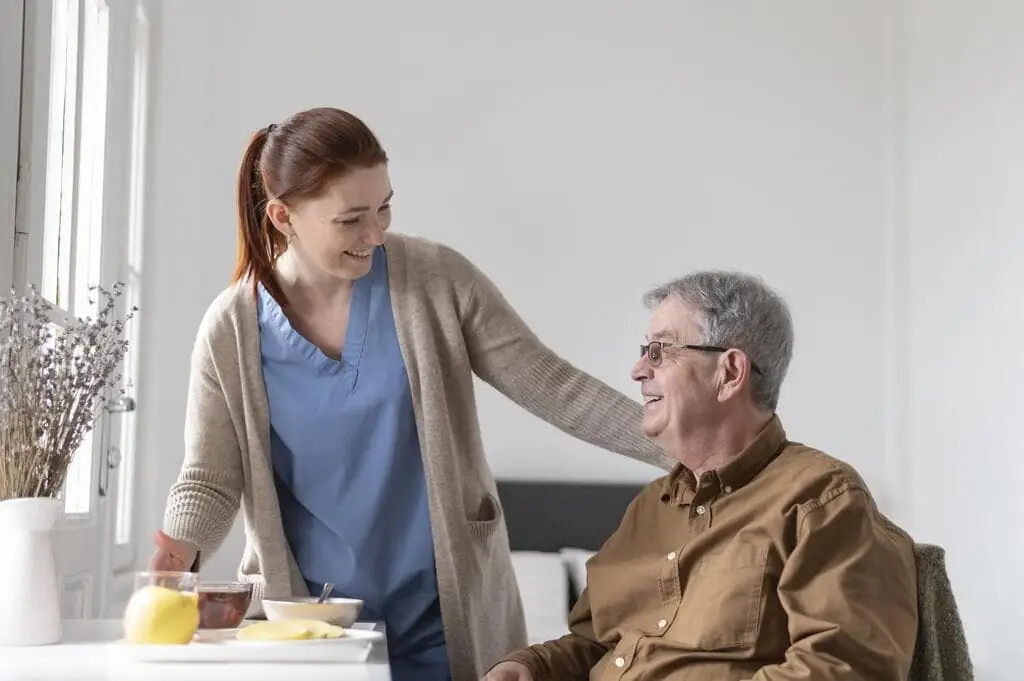
Understanding the CHPNA Exam
The CHPNA certification is administered by the Hospice and Palliative Nurses Association (HPNA) and serves as an essential credential for healthcare professionals working in hospice care. The exam evaluates your knowledge in various areas, including patient care, ethical considerations, pain management, and emotional support for families. The certification is intended for professionals who work directly with patients in hospice settings, such as nurse assistants, aides, and care providers.
The exam consists of multiple-choice questions that cover a range of topics relevant to palliative and hospice care. These include patient assessment, symptom management, end-of-life care, grief support, and communication techniques. The questions are designed to challenge your knowledge and ability to apply best practices in real-world scenarios.
CHPNA Exam Content Areas
The CHPNA exam is divided into several content areas that assess different aspects of hospice and palliative care:
Care of the Patient and Family
This section covers topics such as understanding patient needs, emotional support for families, and providing comfort to terminally ill patients. It emphasizes the importance of compassionate communication and holistic care.Symptom Management
Effective symptom management is a core responsibility in hospice care. This section focuses on the management of common symptoms in patients with terminal illnesses, including pain, nausea, dyspnea, and anxiety.Cultural and Ethical Considerations
Healthcare providers must be aware of cultural differences and ethical challenges when providing end-of-life care. This section tests your ability to recognize and address ethical dilemmas while respecting diverse cultural values.Interdisciplinary Collaboration
Hospice care often involves a team of healthcare professionals working together. This section evaluates your understanding of team dynamics, communication strategies, and how to collaborate effectively in an interdisciplinary environment.Grief and Bereavement
Helping families cope with loss is a key aspect of hospice care. This section tests your ability to support families through the grieving process, offering emotional support and guiding them through the stages of grief.Legal and Regulatory Issues
Hospice care is subject to numerous legal and regulatory standards. This section covers relevant laws, patient rights, and documentation requirements, ensuring that you understand the legal responsibilities associated with your role.
How to Prepare for the CHPNA Exam
Preparation is key to passing the CHPNA exam, and the more you understand the exam structure, the better your chances of success. Here’s a breakdown of effective strategies to help you prepare:
Start Early:
Begin your preparation well in advance of the exam date. Ideally, you should give yourself at least 3–6 months of study time. This will allow you to absorb the content at a manageable pace and avoid cramming close to the exam date.Study the Exam Blueprint:
The CHPNA exam blueprint provides detailed information on the subjects and competencies covered. Reviewing this document will give you a clear understanding of the areas that you need to focus on during your study.Use Comprehensive Study Materials:
Utilizing a variety of study materials can enhance your understanding of the topics. Consider investing in CHPNA test prep books, practice tests, online resources, and review courses.Practice with Sample Questions:
Answering practice questions will help familiarize you with the format of the exam and the types of questions you may encounter. It also helps reinforce your knowledge of the key topics. You can find various CHPNA practice exams available online.Join a Study Group:
Consider joining a study group of other healthcare professionals pursuing CHPNA certification. Group study can help you stay motivated, share insights, and discuss challenging concepts.Review Past Exam Questions:
If available, reviewing previous exam questions will provide a good sense of the exam’s difficulty level and question structure. This will help you familiarize yourself with the wording and format of the questions.Take Breaks:
While studying is essential, it’s also important to rest your mind. Take regular breaks to avoid burnout and to improve your retention and focus.

Key Topics to Focus on
As you prepare for the CHPNA exam, it’s important to focus on the following key areas:
Patient Care and Comfort Measures:
Understanding the physiological and psychological needs of patients in hospice care is critical. Pay close attention to techniques for managing pain, nausea, and other symptoms associated with terminal illnesses.Communication Skills:
You must be able to communicate effectively with patients and families in emotionally charged situations. Study communication techniques for end-of-life care, including active listening, comforting words, and handling emotional responses.Ethical and Legal Considerations in End-of-Life Care:
End-of-life care is deeply intertwined with ethical and legal concerns. You will need to know about patients’ rights, consent, confidentiality, and ethical dilemmas that may arise in palliative care.Grief and Bereavement Support:
Grieving families require emotional support. Understanding the grieving process and how to provide comfort and counseling is an essential aspect of the CHPNA exam.Caregiver Education and Support:
Caregivers are vital members of the hospice care team. Understanding how to educate and support them will be crucial for your success on the exam.
Resources for CHPNA Test Preparation
To further enhance your study, here are some valuable resources for the CHPNA exam:
CHPN Exam Prep: Additional resources for those also preparing for the Certified Hospice and Palliative Nurse (CHPN) exam.
ACHPN Practice Test: An alternative preparation resource for those interested in the ACHPN (Advanced Certified Hospice and Palliative Nurse) certification.
These resources will help you review the key topics, practice answering questions, and increase your chances of passing the exam on your first attempt.
Tips for Success on the Exam
Stay Calm and Focused:
The CHPNA exam can be overwhelming, but it is important to stay calm and focused throughout. Manage your time efficiently, and don’t spend too much time on any one question.Read Questions Carefully:
Pay attention to the wording of each question. Some questions may contain subtle details that could change the correct answer. Ensure you fully understand what is being asked before selecting your response.Eliminate Incorrect Answers:
If you’re unsure of an answer, try to eliminate one or two choices that are clearly incorrect. This will increase your chances of selecting the right answer from the remaining options.

Conclusion
The CHPNA exam is a significant step in your career as a hospice and palliative care professional. By following the preparation tips outlined in this guide and utilizing the recommended study resources, you will be well-equipped to succeed on the exam. Remember to stay focused, practice regularly, and use your knowledge to provide compassionate care to patients in need.
Passing the CHPNA exam is not just a career milestone; it’s a testament to your dedication and commitment to providing the best possible care to individuals at the end of their lives.
Good luck on your CHPNA journey!