
Preparing for the F80 certification exam can be a daunting task, but with the right tools and strategies, you can pass with ease. The F80 practice test is a critical component of your preparation, allowing you to assess your knowledge and identify areas for improvement.
As a fire safety professional seeking certification, you must demonstrate proficiency in various areas. Practice tests provide an accurate simulation of the actual exam experience, helping you get familiar with the test format and content.
By utilizing the F80 practice test and implementing effective study strategies, you can boost your confidence and increase your chances of passing the exam on your first attempt.
Key Takeaways
- Understand the structure and content of the F80 practice test to better prepare for the certification exam.
- Identify knowledge gaps and areas for improvement using the practice test.
- Develop effective study strategies to maximize your study time.
- Utilize available resources to simulate the actual exam experience.
- Boost your confidence and increase your chances of passing the exam on your first attempt.
Understanding the F80 Certification Exam
The F80 certification exam is a crucial step for individuals seeking to demonstrate their expertise in fire safety and alarm systems. This certification is designed to ensure that professionals have the necessary knowledge and skills to handle fire safety responsibilities effectively.
What is the F80 Certification and Why It Matters
The F80 certification is a recognized credential that validates an individual’s competence in fire guard practices and fire alarm systems. It is particularly important for those working in commercial or residential building environments where fire safety is paramount. By obtaining this certification, professionals can demonstrate their commitment to maintaining high standards of fire safety and their ability to respond effectively in emergency situations.
Key Requirements and Prerequisites
To be eligible for the F80 certification exam, candidates must meet specific requirements and prerequisites. These typically include having a minimum level of experience working with fire alarm systems or in related fire safety roles. Educational prerequisites may involve completing specific fire safety courses or training programs recognized by certifying authorities. Many jurisdictions also require candidates to demonstrate practical experience with fire alarm systems in various settings before attempting certification.
Understanding these requirements helps candidates prepare adequately and determine if they need additional experience or education before taking the practice test. The F80 certification process often includes both written examinations and practical demonstrations of fire safety knowledge and skills.
Breaking Down the F80 Practice Test Structure
Understanding the structure of the F80 practice test is crucial for effective preparation. The F80 practice test is designed to evaluate your knowledge and skills in fire safety, mirroring the actual F80 exam.
Test Format and Question Types
The F80 practice test includes a variety of question types, assessing your understanding of fire safety procedures, equipment operation, and regulations. The test format is designed to simulate the actual exam experience, helping you prepare for the types of questions you’ll encounter.
Scoring System and Passing Requirements
The F80 practice test scores you based on a detailed evaluation of your grasp of key concepts, problem-solving skills, and application of F80 study guide knowledge. The scoring system aims to provide a fair and accurate measure of your readiness for the real F80 exam.
- The F80 exam typically requires a minimum passing score of 70-75%, though this may vary depending on the specific testing authority.
- Questions are weighted based on their importance to overall fire safety knowledge.
- The scoring system evaluates both theoretical understanding and practical application of fire safety principles.
- Practice tests use similar scoring methods to help you gauge your readiness and identify areas for improvement.
- Understanding the passing requirements helps you set realistic goals for your practice test performance.
Core Content Areas of the F80 Exam
Understanding the core content areas of the F80 exam is essential for candidates aiming to pass the certification test. The exam is designed to assess a candidate’s knowledge and skills in various aspects of fire safety.
Fire Safety Procedures
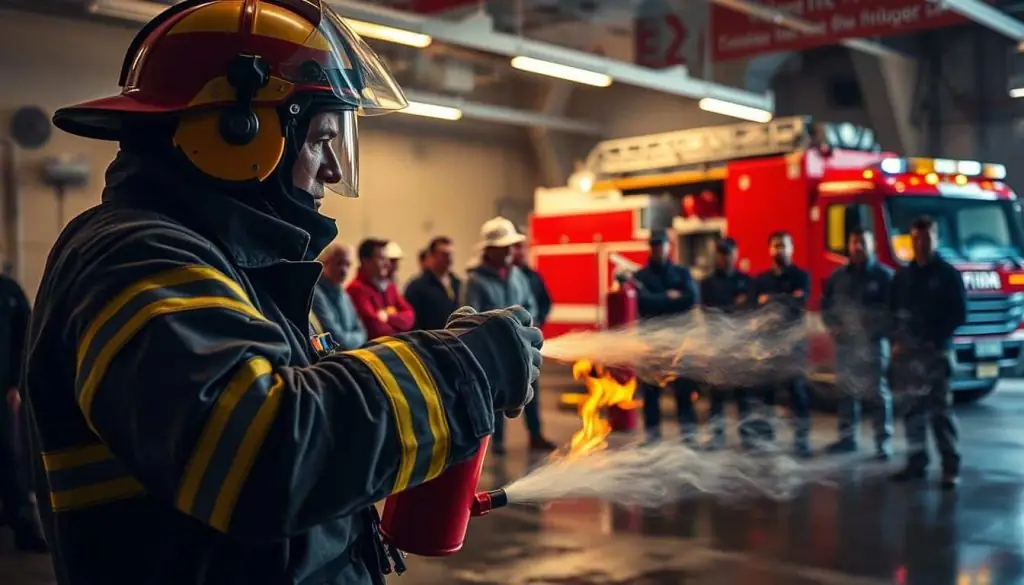
Fire safety procedures are a critical component of the F80 exam. Candidates are expected to demonstrate a thorough understanding of emergency procedures, including evacuation protocols and the operation of fire safety equipment. Fire safety procedures are vital for ensuring the safety of building occupants during an emergency. Effective procedures can significantly reduce the risk of injury or death.
Equipment Operation and Maintenance
The F80 exam also covers the operation and maintenance of fire safety equipment. This includes understanding how to inspect, test, and maintain fire suppression systems and other safety equipment. Proper equipment operation and maintenance are crucial for ensuring that fire safety systems function correctly in the event of a fire.
| Equipment | Inspection Frequency | Maintenance Requirements |
|---|---|---|
| Fire Alarms | Monthly | Annual Testing |
| Fire Suppression Systems | Quarterly | Semi-Annual Maintenance |
Regulations and Codes
Candidates must be familiar with relevant fire safety regulations and codes, including local and national standards. Understanding these regulations and codes is essential for ensuring compliance and maintaining fire safety. The exam will test knowledge of how to apply these regulations in various scenarios.
Hazard Identification and Risk Assessment
The F80 exam evaluates a candidate’s ability to identify potential fire hazards and conduct risk assessments. This includes understanding how to identify common ignition sources, assess fuel loads, and evaluate fire spread pathways. For more information on hazard identification and risk assessment, candidates can access FREE F80 practice questions and answers. Effective hazard identification and risk assessment are critical for mitigating fire risks and ensuring the safety of building occupants.
- Identifying potential fire hazards in various building environments and occupancy types.
- Demonstrating knowledge of risk assessment methodologies to evaluate fire safety threats.
- Understanding how building features, occupant characteristics, and activities affect fire risk levels.
Essential Study Materials and Resources
A well-structured study plan, coupled with the right study materials, is essential for F80 exam success. To effectively prepare, it’s crucial to identify and utilize the most relevant resources available.
Recommended Textbooks and Guides
For comprehensive understanding, several textbooks and guides are highly recommended. These include official study guides and textbooks that cover fire safety procedures, equipment operation, and relevant regulations. Allocating sufficient time to study these materials is vital.
Online Resources and Practice Platforms
Online resources, including practice tests and study guides, are invaluable. Websites such as www.f80practicetest.com, www.f80mockexam.com, and www.f80testprep.com offer F80 practice tests, mock exams, and study materials. Utilizing these resources can significantly enhance your practice and readiness for the exam.
Creating an Effective Study Plan
To maximize your study efforts, develop a structured study schedule that allocates sufficient time to each content area based on the exam weighting. Set specific, measurable goals for each study session and incorporate varied learning methods. Regular review sessions will help prevent knowledge decay and ensure steady progress across all exam content areas and topics.
Mastering F80 Practice Tests for Maximum Results

Effective preparation for the F80 certification exam begins with mastering practice tests. These tests are designed to simulate the actual exam experience, helping you identify areas where you need improvement.
How to Use Practice Tests Effectively
To get the most out of F80 practice tests, it’s essential to use them effectively. Here are some strategies:
- Track your performance across multiple practice tests to identify patterns in your strengths and weaknesses.
- Create a systematic approach to addressing knowledge gaps, focusing on the most challenging content areas first.
Analyzing Your Results and Addressing Weaknesses
After taking the practice tests, analyzing your results is crucial. Use error analysis to determine whether mistakes stem from knowledge deficits, misunderstanding of concepts, or test-taking issues. Develop targeted study plans for specific weak areas, utilizing varied learning resources to approach difficult concepts from different angles.
By setting benchmark scores for practice tests and measuring your improvement over time, you can ensure you’re making progress toward exam readiness. This focused approach will help you master the F80 practice test and feel confident on the day of the actual exam.
Time Management Strategies for the F80 Exam
Effective time management is crucial for success in the F80 exam. To achieve a high score, it’s not enough to just know the material; you must also be able to manage your time wisely during the test.
Pacing Yourself During the Test
Pacing yourself during the F80 exam is vital to ensure you complete all questions within the allotted time. To do this effectively, practice with the F80 practice test to get accustomed to the time limits and the exam format. This will help you understand how to allocate your time for each section of the exam.
By practicing with timed F80 practice tests, you can develop a sense of how long you should spend on each question, allowing you to stay on track and avoid running out of time.
Prioritizing Questions and Sections
Prioritizing questions and sections is another key time management strategy for the F80 exam. Start by identifying the high-value sections that contribute most significantly to your overall score. Focus on answering the questions in these sections correctly before moving on to less critical areas.
To maximize your score, learn to quickly assess the difficulty and point value of each question, and allocate your time accordingly. Develop a strategic approach to question selection by addressing your strongest content areas first to secure those points before tackling more challenging sections. This approach will help you make the most of the time available for the exam.

By understanding the exam structure, developing a strategic approach to question selection, and practicing with F80 practice tests, you can effectively manage your time during the exam and achieve a higher score.
Common Challenges and How to Overcome Them
The F80 exam presents a unique set of difficulties that aspiring fire safety professionals must overcome to succeed. Candidates often face challenges that can be broadly categorized into technical terminology, test anxiety, and complex scenario-based questions.
Dealing with Technical Terminology
Technical terminology can be a significant barrier for many candidates. To overcome this, it’s essential to familiarize yourself with the specific vocabulary used in the fire safety industry. Focus on understanding key terms related to fire safety procedures, equipment operation, and emergency response. Utilizing flashcards and engaging with online resources can help reinforce your knowledge of technical terms.
Managing Test Anxiety
Test anxiety is a common issue that can negatively impact performance. To manage anxiety, develop a study plan that allows you to pace yourself effectively. Practice relaxation techniques, such as deep breathing exercises, to help calm your nerves on test day. Additionally, ensure you get adequate rest and maintain a healthy lifestyle in the days leading up to the exam.
Handling Complex Scenario-Based Questions
Complex scenario-based questions require the application of knowledge to real-world situations. To tackle these questions, break down the scenario into its component parts, identifying the key issues and relevant fire safety principles involved. Practice a systematic approach to scenario analysis, including hazard identification, risk assessment, and determining appropriate responses.
| Challenge | Strategy | Benefit |
|---|---|---|
| Technical Terminology | Familiarization with industry vocabulary | Improved understanding of exam content |
| Test Anxiety | Relaxation techniques and study planning | Reduced stress on test day |
| Complex Scenario-Based Questions | Systematic scenario analysis | Effective application of knowledge |
By understanding the challenges and implementing these strategies, candidates can enhance their performance and increase their chances of success on the F80 exam.
Final Preparation: The Week Before Your F80 Exam
In the final week leading up to the F80 exam, a strategic approach to preparation is essential. This period is crucial for consolidating your knowledge, refining your test-taking skills, and ensuring you’re physically and mentally ready for the exam.
Creating a Final Review Schedule
To maximize your chances of success, create a detailed review schedule for the final week. Focus on your weak areas while reinforcing your strengths. Allocate specific times for reviewing different topics, practicing with sample questions, and taking timed practice tests. This structured approach will help you stay focused and ensure that you cover all necessary material before the exam.
- Review your notes and textbook, prioritizing key concepts and challenging topics.
- Use online resources and practice platforms to simulate the exam experience.
- Adjust your schedule as needed based on your progress and areas of difficulty.
Physical and Mental Preparation Tips
Physical and mental preparation is just as important as academic preparation. To perform at your best, you need to be in top condition. Here are some tips to help you prepare:
- Prioritize quality sleep in the days leading up to the exam to ensure optimal cognitive function and information recall.
- Maintain a balanced diet and stay hydrated to support brain function and overall wellbeing.
- Incorporate light physical activity into your routine to reduce stress and improve mental clarity.
- Practice visualization techniques, imagining yourself successfully completing the exam with confidence.
- Prepare all necessary materials and logistics the day before to eliminate last-minute stress.
Conclusion: Your Path to F80 Certification Success
The F80 practice test is a crucial tool in your journey to becoming a certified fire safety professional. By now, you have gained a comprehensive understanding of the exam’s main parts and how to manage your time effectively during the test. You also have access to a wealth of study materials and resources to aid in your preparation.
Practicing with F80 exam simulators and practice exams is essential to improve your knowledge and test-taking skills. These tools help you identify your strengths, address any knowledge gaps, and become more confident in your abilities. By consistently practicing with quality study materials and assessing your performance through practice tests, you set yourself up for success.
Remember, the F80 certification is not just about passing a test; it’s about developing the skills and knowledge needed to ensure fire safety in the buildings and communities you serve. Apply the time management and test-taking strategies outlined in this guide to maximize your performance on exam day. With thorough preparation, you’ll be well-positioned to join the ranks of certified fire safety professionals who protect lives and property every day.
FAQ
What is the main focus of the fire safety certification exam?
The main focus is on assessing knowledge of fire safety procedures, equipment operation, and relevant regulations and codes to ensure a safe environment for occupants.
How can I effectively prepare for the exam using fire alarm system study materials?
To prepare, review recommended textbooks, utilize online resources, and take practice quizzes that cover key topics such as fire safety, equipment maintenance, and hazard identification.
What types of questions can I expect on the certification exam?
The exam includes a variety of question types, including scenario-based questions that test your ability to apply knowledge of fire safety procedures and emergency response in real-world situations.
How should I manage my time during the exam?
To manage your time effectively, prioritize questions based on difficulty and allocate your time accordingly, ensuring you complete all sections within the allotted time frame.
What are some common challenges faced by exam candidates, and how can they be overcome?
Common challenges include dealing with technical terminology and managing test anxiety. To overcome these, focus on building your knowledge base through thorough study and practice tests, and develop strategies to manage your nerves on exam day.
How can I assess my knowledge and identify areas for improvement?
Take advantage of online practice platforms and review your results to identify areas of weakness. Focus your study efforts on these areas to improve your overall knowledge and confidence.
What is the importance of understanding fire safety systems and their operation?
Understanding fire safety systems, including fire alarm systems, is crucial for ensuring the safety of building occupants and for passing the certification exam.
How can I stay calm and focused during the exam?
To stay calm and focused, prepare thoroughly, and develop a pre-exam routine that includes physical and mental preparation tips, such as getting plenty of rest and practicing relaxation techniques.