
The Board of State and Community Corrections (BSCC) plays a crucial role in maintaining California’s correctional standards and overseeing the recruitment and training of correctional personnel. One of the pivotal steps for individuals aiming to work in California’s correctional facilities is passing the BSCC test. This certification exam is a gateway for becoming a qualified correctional officer in state and community institutions.
Whether you’re beginning a career in corrections or transitioning into the field, understanding the structure and requirements of the BSCC test is essential. In this article, we’ll break down what the test entails, how to prepare effectively, and where to find reliable resources practice platform.
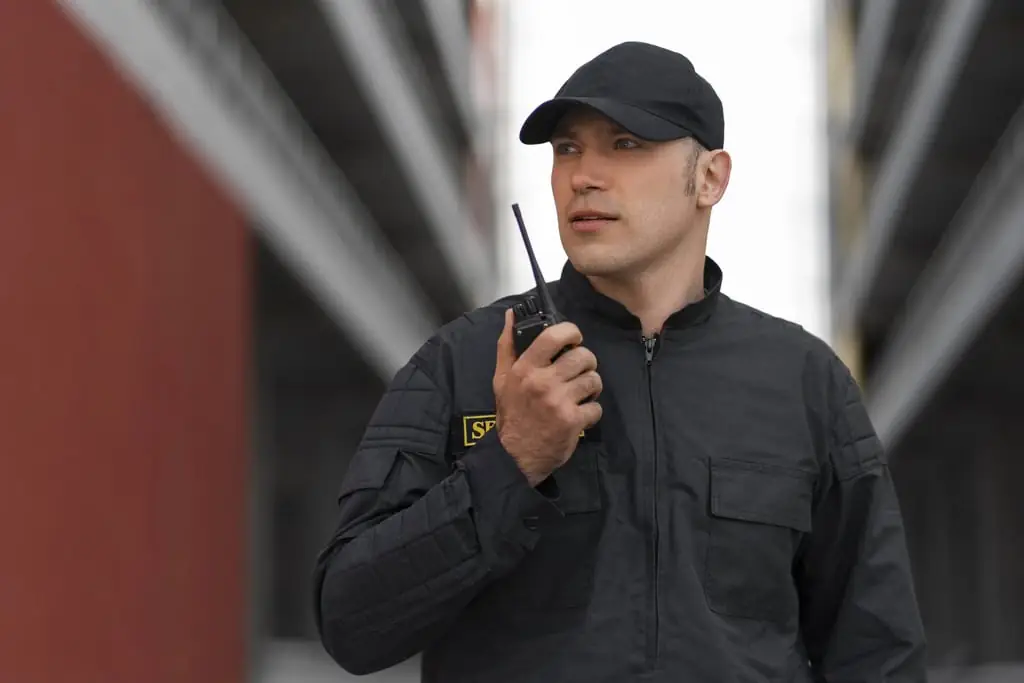
What is the BSCC Certification Test?
The BSCC test is an entry-level written examination administered to individuals seeking employment as correctional officers in California. Developed by the California Board of State and Community Corrections, the exam evaluates candidates on their readiness to serve in environments such as county jails, juvenile detention centers, and adult correctional facilities.
This test is designed to ensure that applicants possess the cognitive skills, decision-making ability, and behavioral competencies required for the job. It is a standardized test used by various correctional agencies across the state to streamline the hiring process and ensure quality candidates enter the field.
BSCC Test Structure
The BSCC certification test includes multiple-choice questions and typically lasts around 2.5 hours. The questions are designed to assess the applicant’s basic competency in areas critical to correctional duties.
Key sections of the BSCC test include:
Reading Comprehension
This section assesses a candidate’s ability to understand written information, rules, and procedures—skills vital for interpreting policies and performing accurate documentation in correctional settings.Writing Clarity
Correctional officers are often responsible for writing reports, incident summaries, and shift logs. This portion of the test evaluates grammar, sentence structure, spelling, and clarity of expression.Basic Mathematics
This includes arithmetic operations, percentages, ratios, and data interpretation. These skills are used in tasks such as inventory, scheduling, and monitoring facility resources.Situational Judgment
Candidates are presented with job-related scenarios and must choose the most appropriate response. This measures decision-making, ethical reasoning, and conflict resolution—core skills for correctional work.Observational Ability
Questions test a candidate’s attention to detail by asking them to identify changes or inconsistencies in visual materials or written content.
Why is the BSCC Test Important?
Standardized Qualification
The BSCC test offers a standardized benchmark for correctional agencies to evaluate applicants. Passing the test demonstrates your foundational readiness for the challenges of working in corrections.Required for Employment
Most correctional facilities in California require candidates to pass the BSCC certification before proceeding to interviews, physical fitness assessments, or academy training.Reflects Real Job Demands
The test covers real-world tasks that correctional officers encounter daily. From making decisions in high-pressure situations to documenting incidents, it ensures you’re equipped for the role.Career Advancement
Achieving a high score not only increases your chances of getting hired but also establishes a strong foundation for advancement into supervisory or specialized roles within the corrections system.

Eligibility Requirements
To take the BSCC certification test, you must typically meet the following requirements:
Age: Be at least 18 or 21 years old depending on the agency.
Education: Possess a high school diploma or GED.
Legal Status: Be a U.S. citizen or legal resident eligible for employment.
Background: Pass a criminal background check and meet agency-specific standards.
Application: Submit an application with the local agency or correctional institution conducting the test.
Agencies may also require candidates to pass additional assessments such as a physical ability test, oral interview, medical evaluation, or psychological screening before offering a position.
How to Prepare for the BSCC Test
Effective preparation can make a significant difference in your performance. Here are strategies to help you succeed:
Understand the Format
Familiarize yourself with the question types and the time limits for each section. This reduces anxiety and helps you pace yourself during the exam.Take Practice Tests
Use online platforms simulate the actual exam environment. These resources offer a wide range of practice tests tailored to correctional testing.Focus on Weak Areas
Identify areas where you struggle—whether it’s math, grammar, or decision-making—and dedicate extra study time to those sections.Use Study Guides
Comprehensive study guides and prep books cover detailed explanations of test sections and often include sample questions, which can reinforce your understanding.Join a Prep Course
Enroll in a BSCC-specific prep course, often offered by community colleges or training academies. These courses provide in-depth insights and group study benefits.Stay Informed
Visit the California Board of State and Community Corrections to stay up to date on test schedules, exam content, and law enforcement hiring practices.
Additional Prep Resources
In addition to the BSCC-specific tools, several related exams and study materials can reinforce your skills:
CO Test: This correctional officer test prep can improve your understanding of job-specific tasks and prepare you for similar exam questions.
California Correctional Officer Exam: If you’re applying to state-level correctional agencies like CDCR, this practice test provides focused content aligned with their exam.
Common Mistakes to Avoid
Underestimating the Test
Some candidates assume the exam will be easy because it’s entry-level. However, the test is comprehensive and designed to assess critical job skills.Neglecting Time Management
Practicing without a timer can lead to poor pacing on the actual exam. Always time yourself when taking mock exams.Skipping Situational Practice
Situational judgment questions are unique and can’t be memorized. Practice analyzing scenarios critically rather than relying on instinct.Overlooking Administrative Tasks
Many candidates focus on the physical or enforcement side of corrections but forget the importance of administrative and documentation duties. These are heavily tested.
After the Test: What’s Next?
After passing the BSCC test:
You may be placed on an eligibility list used by hiring agencies to fill vacancies.
Interview processes typically follow, including physical fitness tests and background checks.
Upon hiring, you’ll undergo formal academy training and on-the-job probation before becoming a full correctional officer.
Continued professional development through on-site training, promotions, or specialized roles is encouraged. The bscc exam is just the first step toward a rewarding law enforcement career.

Conclusion
The BSCC test is a crucial stepping stone for anyone looking to work in California’s correctional system. It assesses your readiness for a demanding yet fulfilling career in public safety. With the right preparation—utilizing study guides, mock exams, and reliable tools—you can pass the test and begin your journey toward serving your community.
Start preparing today with trusted resources and build the confidence you need to succeed.