
Becoming a certified arborist is a significant milestone for anyone pursuing a career in arboriculture. The Certified Arborist Test, administered by the International Society of Arboriculture (ISA), is an essential certification that demonstrates an arborist’s expertise in tree care. This guide provides everything you need to know about preparing for the test, including an overview of the exam, study tips, and essential resources to help you succeed.
Whether you are new to arboriculture or have years of experience working with trees, the ISA Certified Arborist Test is an important step in enhancing your professional qualifications. This guide will cover the test’s structure, key topics, and resources to aid in your preparation, including where to find free practice tests.
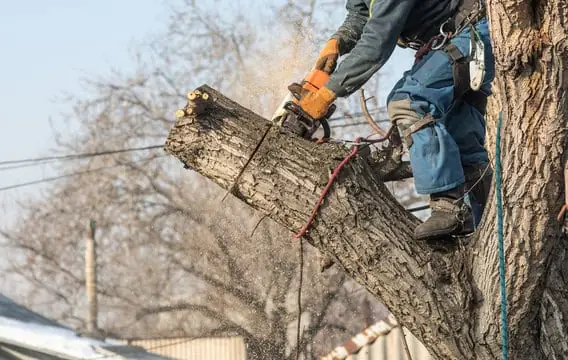
What Is the Certified Arborist Test?
The Certified Arborist Test is designed to assess your knowledge and skills in various aspects of arboriculture. The exam evaluates your understanding of tree care and maintenance, tree biology, safety standards, and environmental practices. This certification is recognized globally and can significantly improve your career prospects in the arboriculture industry.
The test consists of 200 multiple-choice questions, divided into different categories such as:
Tree Biology: Understanding how trees grow, how they interact with their environment, and how they respond to stress.
Tree Identification: Identifying different tree species and understanding their unique characteristics.
Pruning and Maintenance: Techniques for pruning, maintaining tree health, and promoting growth.
Soil Management: How to assess soil quality, treat soil issues, and apply fertilizers.
Tree Diagnosis and Protection: Identifying common tree diseases, pests, and how to prevent or manage them.
Climbing and Aerial Rescue: Safety standards for working in trees, including rescue techniques.
Importance of Becoming a Certified Arborist
Certification as an arborist opens many professional doors. It not only helps to build credibility but also allows you to stand out in a competitive industry. Certified Arborists are more likely to receive higher pay and have better job security than non-certified professionals. Moreover, employers often prefer candidates with this certification because it demonstrates a high level of knowledge and commitment to professional development.
Study Tips for the Certified Arborist Test
Preparing for the Certified Arborist Test requires focused study, but with the right strategies, you can increase your chances of success. Here are some tips to help you along the way:
Create a Study Schedule: Break down your study time into manageable chunks. Plan out study sessions for each topic and stick to the schedule. Consistency is key to mastering the material.
Use Reliable Resources: While textbooks are important, practice exams and real-world case studies will help you understand how to apply what you’ve learned. Utilize resources such as free arborist practice test to get a feel for the test format.
Understand the Test Format: Familiarize yourself with the test structure. Knowing how many questions are on each topic will help you allocate your study time more effectively.
Join Study Groups: Studying with others can provide different perspectives and make challenging topics easier to understand. Find local study groups or online communities of arborists preparing for the exam.
Practice Time Management: Time yourself while taking practice tests to get used to the pace of the real exam. This will help you manage your time during the test and reduce stress.

Key Topics to Focus on for the Certified Arborist Test
To excel in the Certified Arborist Test, it is essential to focus your studies on the core areas covered in the exam. These topics will provide the foundation for your preparation:
Tree Biology: The heart of arboriculture, understanding tree biology helps you better care for trees and diagnose problems. Topics include photosynthesis, respiration, tree growth, and tree aging.
Tree Identification: Arborists must identify tree species and understand their specific needs, such as soil preferences, climate conditions, and maintenance requirements.
Pruning Techniques: Learn the best methods for pruning trees to encourage healthy growth and remove hazardous branches.
Tree Protection: Understanding how to protect trees from environmental hazards, pests, and diseases is crucial for maintaining healthy urban forests.
Soil Science: Knowledge of soil composition, fertilization methods, and how soil affects tree health is key to effective arboriculture.
Safety Procedures: A focus on safety during tree climbing and aerial rescues ensures arborists minimize risks to themselves and others.
Benefits of Becoming a Certified Arborist
There are numerous benefits to becoming a Certified Arborist, including:
Professional Recognition
Certification demonstrates your expertise and commitment to the tree care industry, which can enhance your professional reputation.Increased Job Opportunities
Many employers prefer or require certification for arborist positions. Being certified opens doors to more job opportunities in the field.Higher Earning Potential
Certified Arborists often earn higher salaries than those without certification. Certification can make you more competitive in the job market.Career Growth
The process of becoming certified can lead to career advancement. Arborists who hold certifications are often considered for supervisory or leadership positions.

Conclusion
Becoming a Certified Arborist is a significant accomplishment that demonstrates your expertise and dedication to the field of arboriculture. The Certified Arborist Test may seem challenging, but with the right study strategies, resources, and mindset, you can pass the exam with confidence. Make sure to utilize practice test resources to enhance your preparation. By breaking down the study material into manageable sections and regularly testing yourself, you’ll be well on your way to certification success.
For further exam prep resources, visit ISA Certified Arborist Test and CATS Test, where you can access additional practice tests and study materials to guide you through the certification process.