
In the evolving healthcare landscape, CCDS play a critical role in ensuring the accuracy, consistency, and quality of clinical documentation. As hospitals, healthcare providers, and insurers aim for more streamlined systems, clinical documentation specialists are in higher demand. The Certified Clinical Documentation Specialist (CCDS) credential is a recognized certification that validates expertise in this specialized field. This article dives into the responsibilities, requirements, and benefits of becoming a CCDS, and offers guidance on preparing for the certification exam.
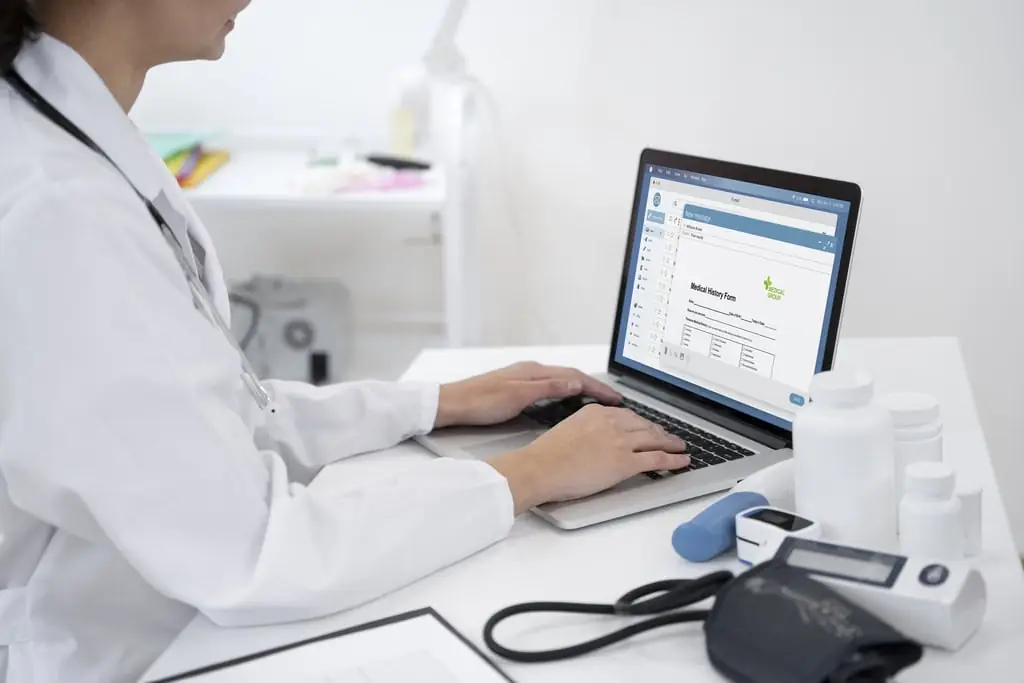
What is a Certified Clinical Documentation Specialist?
A Certified Clinical Documentation Specialist (CCDS) is a healthcare professional responsible for ensuring that clinical documents accurately reflect the patient’s diagnosis, treatment, and care. This role involves reviewing medical records, consulting with physicians and other healthcare providers, and ensuring that documentation complies with federal and state regulations, insurance requirements, and healthcare guidelines.
The CCDS credential, issued by the Association of Clinical Documentation Integrity Specialists (ACDIS), demonstrates that a healthcare professional has achieved a high level of knowledge and competency in clinical documentation and medical coding. Obtaining this certification enhances a professional’s career prospects, as it shows employers and clients that they meet the required industry standards for quality care documentation.
How to Become a CCDS
Becoming a Certified Clinical Documentation Specialist requires meeting several qualifications and passing the certification exam. Below is an overview of the process:
Educational Requirements
To qualify for the CCDS exam, candidates must meet specific educational criteria. A high school diploma is the minimum requirement, though a bachelor’s degree in healthcare or a related field is often preferred. Having a background in healthcare administration, nursing, or medical coding can be advantageous.
Work Experience
Work experience is a critical requirement. Candidates must have at least two years of experience working in clinical documentation, health information management, or coding. This hands-on experience provides the practical knowledge needed to understand medical terminology, coding systems, and the nuances of healthcare documentation.
Preparation for the Exam
A significant step towards obtaining your CCDS is exam preparation. The CCDS exam covers topics related to clinical documentation, coding, medical terminology, and healthcare laws. Preparation materials, such as study guides and practice exams, are crucial for success. CCDS practice exam resources are available to help candidates review essential topics and gauge their readiness for the test.
The Certification Exam
The CCDS exam consists of multiple-choice questions that assess a candidate’s knowledge of clinical documentation and coding practices. The exam is typically held at certified testing centers, and candidates must pass with a minimum score to earn the CCDS certification. The exam evaluates your understanding of:
Medical coding and classification systems
Documentation standards and practices
Healthcare laws, regulations, and policies
Patient confidentiality and compliance with HIPAA
Key Responsibilities of a CCDS
Certified Clinical Documentation Specialists are tasked with several important duties in the healthcare environment:
Reviewing Medical Records: CDS professionals ensure that medical records are thorough and accurate, often focusing on diagnosis codes, treatment plans, and patient outcomes.
Collaboration with Healthcare Providers: A critical part of the job involves communicating with physicians and medical staff to clarify documentation discrepancies and ensure that records reflect the appropriate codes and terms.
Data Quality Assurance: Clinical documentation specialists verify that data collected from patient records is accurate, consistent, and compliant with all regulatory standards.
Coding and Compliance: The CCDS ensures that all clinical documentation complies with coding guidelines and billing practices while meeting the legal and ethical requirements of the health system.

How to Prepare for the CCDS Exam
To ensure success in the CCDS exam, candidates should engage in thorough preparation. Here are some strategies to help you prepare:
Study Official Materials: Use official study guides and reference books that cover the exam’s core topics, including clinical documentation, coding systems, and healthcare regulations.
Take Practice Tests: Practice exams are invaluable tools for gauging your readiness. A exam prep resource can help you familiarize yourself with the exam format and pinpoint areas that need further study.
Join Study Groups: Participating in study groups can provide additional insights and encourage collaboration with other candidates preparing for the exam.
Stay Updated on Healthcare Laws: The healthcare industry is continually changing. Make sure to stay informed about any changes in laws and regulations, as these could be tested on the exam.
Benefits of Becoming a CCDS
Career Advancement
The CCDS credential can significantly enhance career prospects. With this certification, clinical documentation specialists can pursue higher-level positions within healthcare organizations. Employers often prioritize candidates with the CCDS certification as it demonstrates their expertise in documentation integrity, compliance, and coding.
Job Security
As healthcare continues to grow, so does the demand for skilled professionals. The role of the CCDS is vital in ensuring that documentation standards are met, making these professionals highly sought after. According to industry reports, clinical documentation specialists are expected to see job growth as the healthcare system evolves.
Financial Benefits
Certification often leads to higher salaries. CCDS professionals can command a premium salary, given their specialized knowledge. The increased earning potential is a key motivator for many seeking certification in this field.
Additional Resources
There are several online resources to help you in your journey to becoming a Certified Clinical Documentation Specialist:
SCDM: This site offers study materials specifically for those preparing for the SCDM exam, a related certification in clinical documentation.
LPCC: The Licensed Professional Clinical Counselor (LPCC) exam is another valuable certification for healthcare professionals seeking to expand their career in the mental health sector.

Conclusion
Becoming a Certified Clinical Documentation Specialist (CCDS) is a rewarding career path for individuals interested in healthcare documentation, coding, and compliance. With the right education, experience, and exam preparation, this certification can significantly boost your career, offering opportunities for advancement, increased salary potential, and professional recognition. Whether you’re just starting or looking to enhance your skills, the CCDS certification is a valuable asset in the healthcare industry.
FAQs
What is the role of a Clinical Documentation Specialist?
A Clinical Documentation Specialist reviews and ensures that medical records accurately reflect the patient’s diagnosis, treatment, and care, ensuring compliance with regulations and coding standards.
How long does it take to become a CCDS?
Typically, candidates need two years of experience in healthcare documentation or related fields before being eligible for the CCDS exam.
Is there any continuing education required for CCDS certification?
Yes, the CCDS certification requires ongoing education and professional development to maintain the credential. Continuing education courses are available through various organizations.