
How to Become a Certified Elevator Technician (CET): A Step-by-Step Guide
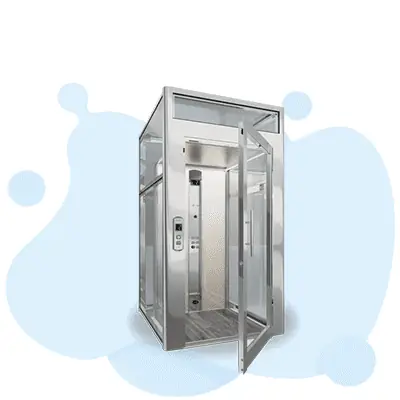
The elevator industry plays a crucial role in modern infrastructure, ensuring the safe and efficient movement of people and goods within buildings. Skilled professionals are needed to install, maintain, and repair these systems, making the role of a Certified Elevator Technician (CET) highly valuable.
Becoming a CET requires a combination of formal education, hands-on training, and certification to ensure compliance with safety and industry standards. This guide will outline what an elevator technician does, the necessary training, certification process, and career opportunities available in this growing field.
Free CET Practice Test Online


Key Takeaways
Certified Elevator Technicians (CETs) specialize in the installation, maintenance, and repair of elevator and escalator systems.
Training programs such as those offered by NAEC and NEIEP provide structured education and apprenticeship opportunities.
Elevator technicians need strong mechanical, electrical, and troubleshooting skills to perform their duties effectively.
Certification and ongoing education ensure compliance with safety regulations and industry standards.
Career opportunities in the elevator industry are growing, with paths leading to advanced roles such as supervisor, inspector, or independent contractor.
Understanding Certified Elevator Technicians
A Certified Elevator Technician (CET) is a skilled professional responsible for the installation, maintenance, and repair of elevators, escalators, and other vertical transportation systems. CETs ensure that these systems operate safely and efficiently while adhering to strict safety codes and regulations.
Responsibilities of a Certified Elevator Technician
Installing new elevator and escalator systems in residential, commercial, and industrial buildings.
Conducting routine inspections and preventative maintenance to ensure safe operation.
Diagnosing and repairing mechanical, electrical, and hydraulic issues.
Updating and upgrading elevator systems to meet modern safety standards.
Ensuring compliance with building codes and industry regulations.
Working with engineers, architects, and building managers to design and implement elevator systems.
A career as a CET is both rewarding and challenging, offering a stable job market and opportunities for advancement.
| What is the Certified Elevator Technician (CET) exam? | The CET exam certifies professionals in the elevator industry. |
| What topics are covered in the CET exam? | The exam covers installation, maintenance, and safety of elevators. |
| What is the duration of the CET exam? | The CET exam typically lasts for 3-4 hours, depending on the candidate’s pace. |
| How many questions are on the CET exam? | The CET exam consists of 100 multiple-choice questions and a practical exam. |
| How to register for the CET exam? | Registration for the CET exam is done online via the official certification portal. |
| What is the cost of the CET exam? | The CET exam cost is typically between $150 and $300, depending on location. |
| Can I register for the CET exam late? | Late registration may be available, but it typically involves an additional fee. |
| When can I take the CET exam? | The CET exam is offered year-round at Pearson VUE test centers, subject to availability. |
| What is the passing score for the CET exam? | The passing score for the CET exam is 70% across all sections. |
| Can I retake the CET exam if I fail? | Yes, you can retake the CET exam, but there is a 30-day waiting period between attempts. |
| How do I get my CET exam results? | Your CET exam results are typically available within 2-3 weeks after the exam date. |
| Is there a practical component in the CET exam? | Yes, the CET exam includes a practical component to test hands-on skills. |
| How long is the CET exam valid? | The CET certification does not expire, but continuing education may be required. |
| Can I use a calculator during the CET exam? | Yes, a basic calculator is allowed for the mathematics portion of the exam. |
| How are CET exam results scored? | The CET exam is scored on a scale of 100-500, with 70% as the passing threshold. |
| What happens if I don’t pass the CET exam? | If you fail, you can retake the exam after the 30-day waiting period. |
| How should I prepare for the CET exam? | Studying official materials and taking practice exams is highly recommended. |
| Are there study guides available for the CET exam? | Yes, study guides and practice tests are available through various online resources. |
| Can I get study materials for the CET exam? | Study materials can be purchased online through the official CET exam website. |
| How much time should I spend preparing for the CET exam? | It is recommended to spend at least 2-3 months preparing for the exam, depending on your background. |

What Is an Elevator Technician?
An elevator technician is a tradesperson specializing in the installation, maintenance, and repair of elevator and escalator systems. These professionals work in various settings, including residential buildings, commercial properties, industrial facilities, and hospitals.
Key Skills Required for an Elevator Technician
Strong mechanical and electrical aptitude.
Ability to read and interpret blueprints and technical diagrams.
Knowledge of safety codes and industry regulations.
Problem-solving and troubleshooting skills.
Physical stamina and ability to work in confined spaces or at heights.
Excellent communication and teamwork skills.
Becoming an elevator technician requires rigorous training and hands-on experience to develop the skills needed for this specialized trade.
Elevator Technician Training Programs
Proper training is essential for becoming a certified elevator technician. Several programs provide structured education and hands-on experience to prepare individuals for the CET certification process.
Recommended Elevator Technician Training Programs
National Association of Elevator Contractors (NAEC): Offers the Certified Elevator Technician (CET) Education Program, a structured curriculum that combines classroom instruction with on-the-job training.
National Elevator Industry Educational Program (NEIEP): Provides an apprenticeship program for aspiring elevator technicians, covering electrical theory, mechanical systems, and safety procedures.
Community College and Technical Schools: Some colleges offer specialized trade programs that include courses related to elevator technology.
Typical Course Topics
Electrical and mechanical systems in elevators
Hydraulic and traction elevator operation
Safety codes and industry regulations
Troubleshooting and repair techniques
Blueprint reading and technical documentation
Apprenticeship programs generally take four to five years to complete and include both classroom instruction and supervised hands-on training.
Elevator Escalator Technician Career Path
An elevator escalator technician works specifically with escalators and moving walkways in addition to elevators. This specialization requires additional training and expertise due to the unique mechanics of escalator systems.
Job Responsibilities of an Elevator Escalator Technician
Installing and maintaining escalators in commercial and public buildings.
Inspecting moving walkways for wear and tear.
Repairing motors, chains, steps, and electrical systems in escalators.
Ensuring compliance with building safety codes and accessibility requirements.
Many CETs choose to specialize in either elevators or escalators, while others gain experience in both areas to increase job opportunities.
How to Become a Certified Elevator Technician
Step 1: Obtain a High School Diploma or GED – Strong math and mechanical skills are essential.
Step 2: Enroll in an Apprenticeship Program – Gain hands-on training while earning a salary.
Step 3: Complete the CET Training Program – Meet the educational and work experience requirements.
Step 4: Pass the CET Certification Exam – Obtain official certification from NAEC.
Step 5: Gain Work Experience and Continue Education – Stay updated with new technologies and safety standards.
Licensing Requirements
Some states require elevator technicians to hold a state-issued license. Requirements may include:
Completion of a CET or Apprenticeship Program
Passing a State Licensing Exam
Meeting OSHA Safety Training Standards

Conclusion
Becoming a Certified Elevator Technician (CET) is a fulfilling career choice with stable job prospects and opportunities for advancement. Through a combination of formal training, hands-on apprenticeship, and certification, aspiring technicians can develop the skills needed to thrive in this essential industry.
With the increasing demand for skilled elevator professionals, pursuing CET certification is an excellent investment in a long-term, rewarding career.
CET Questions and Answers
The passing score for the CET exam is 70%.
The CET consists of 100 multiple-choice questions and a practical exam.
The CET exam typically takes 3-4 hours to complete.
The CET exam consists of 100 multiple-choice questions and a practical exam.
The cost for the CET exam is typically between $150 and $300.
Late registration may be available for an additional fee.
Yes, you can retake the CET exam after a 30-day waiting period.
Registration is done online through the official CET certification portal.
Scores are based on a percentage, with 70% required to pass.
The CET exam is available year-round at Pearson VUE test centers.