
Cardiopulmonary Resuscitation (CPR) is a lifesaving technique that every healthcare professional, first responder, and even layperson should know. In emergency situations, CPR can double or even triple a person’s chance of survival from cardiac arrest. To ensure that individuals are equipped with the proper knowledge and skills, certification exams have been developed. The CPR Test is one such essential evaluation, helping verify that candidates can perform effective chest compressions, rescue breaths, and use of automated external defibrillators (AEDs).
If you are preparing to take the CPR certification exam, this guide will walk you through its structure, key topics, study tips, and resources to ensure you succeed. With proper preparation using tools, you can approach test day with confidence.
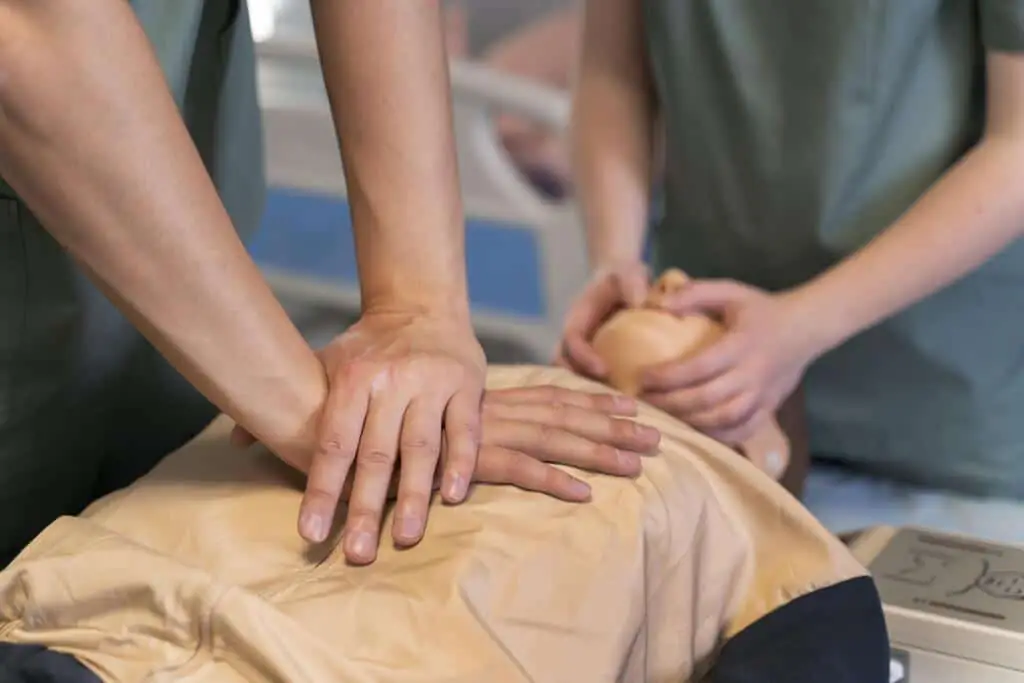
Understanding the CPR Test
The CPR Test is designed to measure both theoretical knowledge and hands-on skills. Candidates are typically evaluated on:
Recognition of cardiac arrest and emergency scenarios.
Performing chest compressions with correct depth, rate, and recoil.
Delivering rescue breaths safely and effectively.
Using an Automated External Defibrillator (AED) correctly.
Teamwork and communication during resuscitation.
The test format usually includes a written section with multiple-choice questions, followed by a practical skills demonstration. The written exam ensures knowledge of procedures, while the practical portion proves you can apply those skills in real-world emergencies.
Why Certification Matters
CPR certification is often required for professionals in healthcare, education, sports, childcare, and community safety roles. Having valid certification demonstrates competency and commitment to saving lives. Employers frequently mandate certification to comply with safety regulations and to protect both staff and the public.
Beyond professional requirements, CPR certification provides peace of mind. Knowing how to act quickly and correctly in emergencies empowers you to make a real difference when every second counts.
Preparation Strategies for the CPR Test
Success in the CPR Test requires a blend of studying theoretical materials and practicing hands-on techniques. Below are some effective preparation methods:
1. Use Practice Exams
Taking simulated assessments such as cpr test practice helps identify your strengths and weaknesses. By reviewing questions similar to those on the real exam, you’ll be better prepared for the test’s format.
2. Engage in Hands-On Practice
Skills like chest compressions and rescue breaths cannot be mastered through theory alone. Practice on mannequins to build muscle memory and ensure your technique meets certification standards.
3. Review Guidelines from Trusted Sources
Organizations such as the American Heart Association (AHA) regularly update CPR guidelines. Staying informed about the latest recommendations ensures your knowledge is current and relevant.
4. Study Related Certifications
Consider expanding your skill set with related training such as the ACLS Advanced Cardiovascular Life Support exam or the Certified Cardiographic Technician (CCT) Exam. These advanced certifications build upon CPR fundamentals and are highly valued in healthcare fields.
5. Take Regular Study Breaks
Spacing out study sessions improves retention. Use short quizzes and flashcards to reinforce memory and keep learning active.

Key Areas Covered in the CPR Test
The CPR Test evaluates a wide range of critical topics. Some of the most common areas include:
Chain of Survival: Understanding the sequence of actions that maximize survival chances.
Adult, Child, and Infant CPR: Differences in hand placement, compression depth, and breath ratios.
Choking Response: How to relieve airway obstruction in conscious and unconscious victims.
AED Operation: Steps to use the device effectively and safely.
Team Dynamics: Coordination with other rescuers for optimal outcomes.
Being familiar with each of these areas ensures you are well-prepared for both written and skills assessments.
The Role of Technology in CPR Training
Modern CPR training has evolved with the integration of simulation technology. Many courses now use feedback mannequins that provide real-time data on compression depth, rate, and ventilation volume. These tools help refine technique and ensure accuracy.
Additionally, digital platforms provide access to exam prep, making study more convenient and effective. By combining traditional instruction with online tools, you can maximize your readiness.
Common Challenges & How to Overcome Them
Some candidates find the CPR Test intimidating due to the pressure of performing in front of instructors. Here’s how to address common challenges:
Nervousness during practicals: Practice until skills become second nature. Confidence comes with repetition.
Time management on written tests: Use sample questions to practice pacing.
Forgetting sequence steps: Use mnemonics such as C-A-B (Compressions, Airway, Breathing) to recall the correct order.
Maintaining Certification
Once certified, CPR credentials typically remain valid for two years. To maintain certification, you must complete refresher courses and pass renewal exams. Continuous learning ensures your skills remain sharp and aligned with the latest guidelines.
Employers may also encourage staff to stay certified in advanced areas like ACLS and Pediatric Advanced Life Support (PALS). This layered approach enhances emergency preparedness across different age groups and medical conditions.
Real-World Impact of CPR
Studies have shown that bystander CPR significantly increases survival rates from cardiac arrest. According to the National Institutes of Health, immediate CPR can double or triple the chances of survival. Widespread certification ensures more people are prepared to step in during emergencies.
Furthermore, organizations like the Centers for Disease Control and Prevention highlight the importance of CPR education in communities, reinforcing its role as a public health priority.

Conclusion
Passing the CPR Test is more than just a professional requirement—it’s an opportunity to equip yourself with lifesaving skills. With the right preparation, including tools and the support of practice tests, you can achieve certification with confidence.
Whether you are a healthcare worker, teacher, coach, or parent, CPR certification empowers you to take action in critical moments. By staying current with training and guidelines, you’ll always be ready to make a life-saving difference.