
In the world of building safety and emergency preparedness, few roles are as critical as the Fire and Life Safety Director (FLSD). Large residential and commercial buildings, especially in major cities like New York, are required to have certified safety professionals who can protect occupants during fire, natural disasters, or terrorist incidents.
The F89 (Fire and Life Safety Director) Test is the official certification exam that qualifies individuals to perform this vital role. Preparing for this exam can feel overwhelming, but with the right guidance and resources, you can approach it with confidence.
This article will walk you through everything you need to know about the F89 Test—from its format and requirements to preparation strategies and recommended study materials.
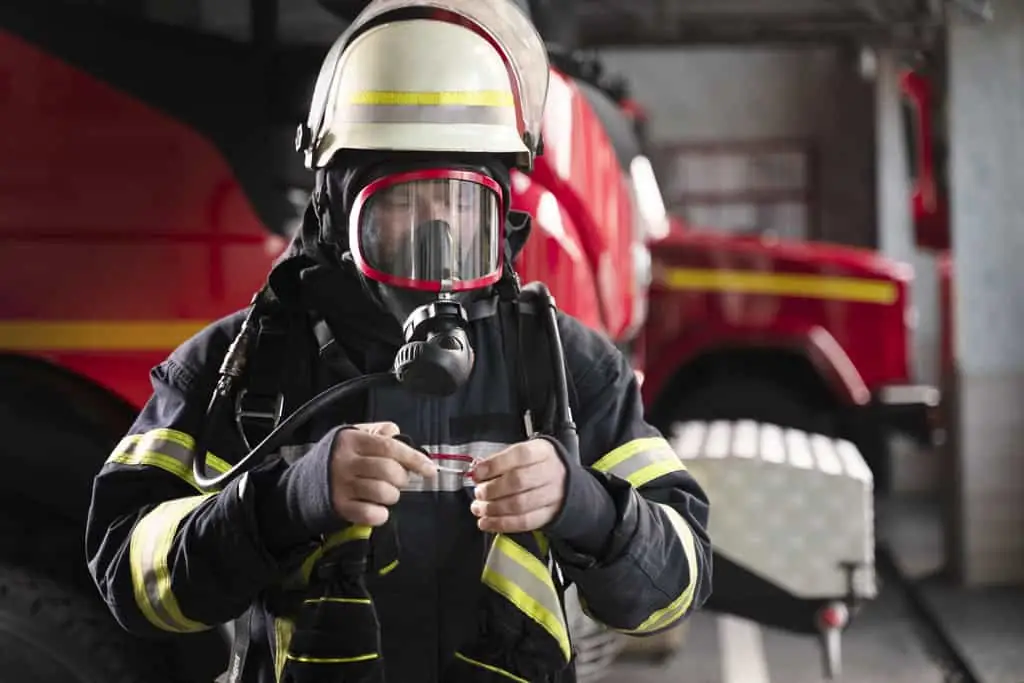
What is the F89 Fire and Life Safety Director Test?
The F89 exam, administered under the New York City Fire Department (FDNY), is designed to ensure candidates are capable of overseeing fire and emergency action plans in large properties. It validates essential knowledge and situational awareness required to manage emergencies effectively.
The F89 replaces earlier certifications such as the F58 and F25, consolidating responsibilities into a comprehensive standard for life safety professionals.
Why the F89 Certification Matters
Legal Requirement – Many high-rise and public assembly buildings are mandated by law to employ certified Fire and Life Safety Directors.
Public Safety – FLSDs are the first line of defense in emergencies, ensuring evacuations and communication with first responders.
Professional Growth – Achieving this certification enhances career opportunities in security, property management, and safety compliance.
Employer Demand – Building owners and management firms actively seek F89-certified professionals to meet compliance standards.
Preparation Tips for the F89 Exam
1. Review FDNY Study Materials
FDNY provides official reference guides and manuals. These should be your first source of study, as the exam questions are based directly on them.
2. Use Online Resources
Engage with interactive tools like the f89 practice test to familiarize yourself with the question format and test timing.
3. Create a Study Schedule
Break down the exam domains into manageable parts. Focus on one section at a time while reviewing notes daily.
4. Understand Building Systems
The practical component requires hands-on familiarity with building fire safety systems. Arrange practice sessions with real equipment whenever possible.
5. Join Study Groups
Collaborating with other candidates helps reinforce knowledge and provides exposure to different perspectives and experiences.

Structure and Format of the F89 Test
The F89 certification exam includes both written and on-site practical evaluations:
Written Exam – Multiple-choice questions assessing your knowledge of fire codes, emergency procedures, communication protocols, and building safety systems.
Practical Exam – A hands-on demonstration, often including simulated emergencies where you must show leadership, direct occupants, and use emergency systems properly.
Typical domains tested include:
Fire prevention and safety measures
Building systems (alarms, sprinklers, elevators, etc.)
Emergency action plans (EAP)
Evacuation procedures
Communication with fire department and staff
Common Challenges and How to Overcome Them
Technical Complexity – Building systems can be intimidating. Tip: Spend extra time learning how alarms, elevators, and sprinkler systems operate.
Stress Under Pressure – The practical exam requires calm decision-making. Tip: Simulate real emergency drills with peers to build confidence.
Time Constraints – The written test is timed, making it crucial to practice with timed mock exams from reliable exam prep sites.
Career Benefits of Passing the F89
Once certified, Fire and Life Safety Directors can access lucrative and stable career opportunities in industries such as:
Property management companies
Hospitals and universities
Corporate security firms
Large residential and commercial complexes
In addition, F89-certified professionals often enjoy higher salaries compared to non-certified staff due to the responsibility and expertise the role demands.
Additional Certifications to Consider
While preparing for the F89, you may also want to pursue related certifications that can expand your qualifications:
CFPS Test – Certified Fire Protection Specialist credential.
F01 Test – Fire Guard for Impairment, another important FDNY certification.
These certifications complement the F89 by showcasing your broader knowledge in fire safety and compliance.
Exam Day Tips
Arrive early with proper identification and any required documents.
Stay calm during practical simulations—your leadership under stress is being evaluated.
Read all written exam questions carefully, eliminating wrong choices before selecting your answer.
Remember: clarity, confidence, and calmness are just as important as technical knowledge.

Conclusion
The F89 Fire and Life Safety Director certification is more than just an exam—it is a professional commitment to safeguarding lives. By using tools and preparing with reliable practice tests, you can be fully equipped to pass the test and take on this essential role.
From managing building systems to coordinating with emergency responders, your role as an F89-certified professional will make a direct impact on community safety. With dedication and the right preparation, success is within reach.