
A Fire Life Safety Director (FLSD) is an essential position that ensures fire safety protocols are followed within commercial and residential buildings. This professional is responsible for overseeing emergency procedures, training staff, conducting fire drills, and ensuring compliance with fire safety regulations. Fire safety is a top priority in any building, and the FLSD plays a critical role in maintaining these standards to protect both lives and property.
In this article, we will explore the key responsibilities of an FLSD, the qualifications needed, and how to prepare for the FLSD exam. With the increasing emphasis on safety in buildings, the role of an FLSD has become even more important. We will also guide you on how to effectively prepare for the FLSD exam to ensure your success.
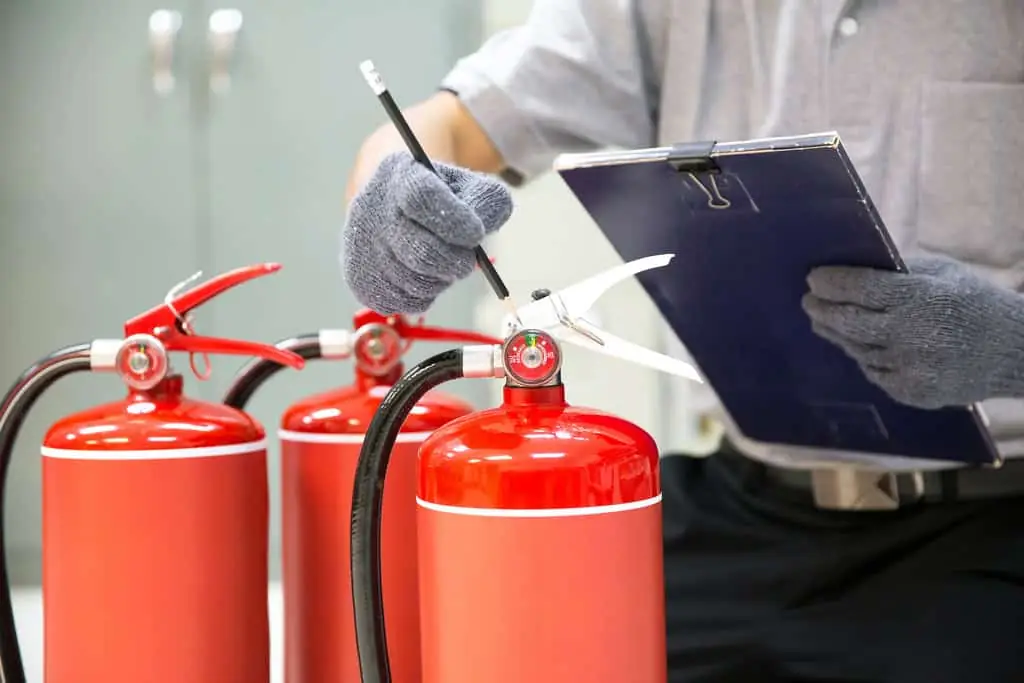
What Does a Fire Life Safety Director Do?
A Fire Life Safety Director is responsible for managing all aspects of fire safety within a building. This includes:
Fire Safety Systems Oversight: Ensuring that all fire safety systems, such as alarms, sprinklers, and smoke control systems, are functional and regularly maintained.
Emergency Evacuation Plans: Developing and implementing evacuation procedures in the event of a fire or other emergency, including conducting drills.
Staff Training: Educating building staff on fire safety procedures, emergency exits, and how to respond during emergencies.
Compliance with Fire Codes: Ensuring that the building is compliant with local, state, and federal fire safety codes and regulations.
Incident Management: Responding to and managing fire-related incidents, including coordinating with fire departments and emergency responders.
The Fire Safety Director plays a crucial role in minimizing the risks associated with fires and ensuring that the building is safe for all occupants. This requires a combination of technical knowledge, leadership skills, and an understanding of fire safety regulations.
How to Prepare for the FLSD Exam
The FLSD exam is a critical part of becoming certified. It tests knowledge in various areas, including fire safety systems, evacuation plans, building codes, and emergency protocols. Preparation for this exam is key to ensuring success. Here are some tips to help you prepare effectively:
Understand the Exam Structure: Familiarize yourself with the topics that will be covered on the exam. These typically include fire prevention, building safety codes, emergency evacuation plans, and fire alarm systems.
Use Exam Prep Resources: Utilize study guides and exam prep materials to review key concepts. These resources will help reinforce your knowledge and ensure that you are well-prepared for the exam.
Take Practice Tests: Practice tests are an excellent way to assess your readiness for the actual exam. Taking practice exams helps you identify areas where you need more study and familiarize yourself with the test format.
Review Fire Safety Regulations: The exam will cover a wide range of regulations, including local and national fire safety codes. It’s essential to be familiar with these regulations and understand how they apply to building safety.
Stay Calm and Focused: On the day of the exam, ensure you are well-rested and focused. Read each question carefully and answer to the best of your ability.
The Importance of FLSD Certification
The role of the Fire Life Safety Director is vital for ensuring the safety of building occupants. Without proper training and certification, the risk of fire-related incidents increases. The FLSD is not only responsible for maintaining safety during emergencies but also for creating a culture of preparedness within the building.
Furthermore, FLSDs ensure compliance with fire codes and building regulations, which can help prevent costly penalties and ensure that buildings are safe for occupants. The certification also demonstrates a level of expertise that can enhance your career prospects in fire safety and building management.

Qualifications to Become a Fire Life Safety Director
To become a certified Fire Life Safety Director, candidates must meet certain qualifications, which typically include:
Experience in Fire Safety: Many FLSDs start in the fire safety field with previous experience as firefighters, safety officers, or emergency responders. This hands-on experience provides a strong foundation for the responsibilities they will manage.
Education and Training: While a formal degree is not always required, many FLSDs hold certifications in fire safety management. Additionally, many states or cities require FLSDs to take specialized courses in fire safety procedures and life safety protocols.
Certification Exam: One of the most important requirements for becoming an FLSD is passing the certification exam. This exam evaluates a candidate’s knowledge of fire safety systems, emergency evacuation procedures, and relevant regulations.
Continued Education: Fire safety protocols and regulations evolve over time. Therefore, FLSDs are often required to participate in continuing education courses to stay up-to-date with the latest practices and regulations.
Relevant Resources
For more detailed study materials on fire safety and life safety systems, check out the following resources:
International Firestop Council Premier Certificate – A certification for professionals in the firestop industry.
Fire Stopping – Learn about fire stopping methods and techniques to ensure building safety.

Conclusion
Becoming a Fire Life Safety Director is a rewarding and challenging career choice that requires expertise in fire safety systems, emergency management, and compliance with fire codes. The FLSD plays a critical role in ensuring the safety of occupants in commercial and residential buildings, particularly in times of emergency. With the right preparation, knowledge, and resources, you can successfully pass the FLSD exam and take the next step toward a fulfilling career in fire life safety management.