
IICRC WRT: Water Restoration Certification
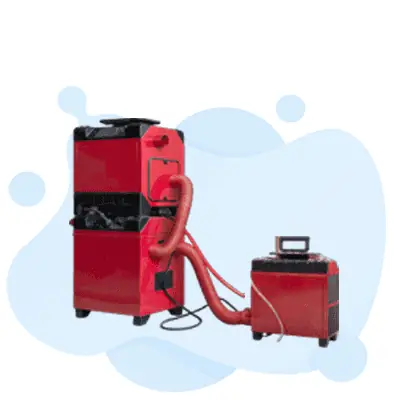
Water damage can be a big problem for both homeowners and businesses. It can come from floods, pipe bursts, sewage backups, or natural disasters. These events can harm the building’s structure, air quality inside, and even damage personal items. To help with this, the Institute of Inspection, Cleaning and Restoration Certification (IICRC) offers the WRT (Water Restoration Technician) certification.
This certification shows that a person has completed tough training and passed tests in water damage restoration. It means they know how to handle water emergencies well. They can do things like remove water, control moisture, fix mold, and use antimicrobial treatments.
Free IICRC WRT Practice Test Online


Key Takeaways
- The IICRC WRT certification is a widely recognized credential for water damage restoration professionals in the United States.
- The certification ensures that restoration professionals have the necessary knowledge and skills to effectively address water-related emergencies, from water extraction to mold remediation.
- Achieving the IICRC WRT certification can significantly enhance a restoration professional’s career by demonstrating their expertise and commitment to the industry.
- IICRC standards play a crucial role in guiding the water damage restoration industry, ensuring consistent and effective practices are followed.
- The IICRC WRT certification covers a range of water damage restoration techniques, including water extraction methods, dehumidification processes, and drying techniques.
| What is IICRC WRT? | IICRC WRT (Water Damage Restoration Technician) is an industry-recognized certification from the Institute of Inspection, Cleaning and Restoration Certification that validates expertise in water damage restoration, mitigation, and drying techniques. |
| What is IICRC WRT certification? | IICRC WRT certification is a professional credential demonstrating competency in water damage restoration principles, structural drying, moisture detection, and proper restoration procedures following industry standards. |
| What does WRT stand for in IICRC? | WRT stands for Water Damage Restoration Technician, one of the foundational IICRC certifications for professionals in the restoration and cleaning industry. |
| What is IICRC water damage restoration? | IICRC water damage restoration encompasses the standardized methods and best practices for responding to water intrusions, extracting water, drying structures, and preventing secondary damage like mold growth. |
| What is the IICRC WRT exam? | The IICRC WRT exam is a comprehensive test covering water damage science, moisture detection, extraction techniques, structural drying, and restoration procedures administered after completing the required training course. |
| How many questions is the IICRC WRT test? | The IICRC WRT test contains 100 multiple-choice questions covering water damage categories, psychrometry, drying techniques, equipment operation, and industry standards with a two-hour time limit. |
| What is on the IICRC WRT exam? | The IICRC WRT exam covers water damage categories and classes, moisture detection methods, psychrometry principles, structural drying procedures, equipment selection, safety protocols, and restoration industry standards. |
| How hard is the IICRC WRT test? | The IICRC WRT test is moderately challenging, requiring thorough understanding of water damage science and restoration techniques, but most students pass after attending the course and studying the materials. |
| Where are IICRC WRT classes near me? | Find IICRC WRT classes through the official IICRC website's approved school locator, which lists authorized training centers offering in-person and online courses nationwide. |
| Can you take IICRC WRT online? | Yes, IICRC WRT certification is available through approved online courses offered by authorized training providers, combining self-paced learning with live instruction and a proctored online exam. |
| What is IICRC WRT certification cost? | IICRC WRT certification costs typically range from $350 to $600 depending on the training provider, format (online vs in-person), and whether materials are included in the registration fee. |
| How to get IICRC WRT certified? | Get IICRC WRT certified by enrolling in an approved course through an IICRC-authorized school, completing the training, passing the 100-question exam with 70% or higher, and maintaining certification through renewal. |
| What is the passing score for IICRC WRT? | The passing score for the IICRC WRT exam is 70%, meaning you must correctly answer at least 70 out of 100 questions to earn certification. |
| How long is IICRC WRT certification valid? | IICRC WRT certification is valid for two years from the date earned, requiring renewal through continuing education credits or course retake before expiration. |
| How long does IICRC WRT certification last? | IICRC WRT certification lasts two years, after which you must complete renewal requirements including continuing education units (CEUs) to maintain active certification status. |
| What is IICRC WRT renewal? | IICRC WRT renewal involves earning 14 continuing education credits during your two-year certification period or retaking the course and exam to maintain current credential status. |
| What is an IICRC WRT practice test? | An IICRC WRT practice test is a study tool with sample questions mimicking the actual exam format to help students assess their knowledge and identify areas needing additional review. |
| Where to find IICRC WRT study guide? | The IICRC WRT study guide is included with course enrollment and available through IICRC-approved training providers, covering all exam topics including psychrometry, drying techniques, and restoration standards. |
| How to prepare for IICRC WRT exam? | Prepare for the IICRC WRT exam by attending the full course, reviewing course materials thoroughly, taking practice tests, understanding psychrometric charts, and studying water damage categories and classes. |
| What is IICRC WRT course duration? | The IICRC WRT course typically runs 2-3 days for in-person training or 16-20 hours of content for online courses, covering comprehensive water damage restoration principles and practical applications. |
Understanding the IICRC WRT Institute of Inspection, Cleaning and Restoration Certification Water
The IICRC WRT (Water Restoration Technician) certification is key for water damage restoration pros. It gives them the skills to tackle various water emergencies. This includes flood cleanup, sewage removal, and stopping mold before it starts.
What is the IICRC WRT Certification?
The IICRC WRT certification is a top mark in water damage restoration. It shows a technician knows the latest iicrc standards and how to extract water, dry structures, and control moisture. This ensures projects are done right, protecting your property and health.

Importance of IICRC Standards in Water Damage Restoration
IICRC standards are vital in water damage restoration. They set the bar for quality and safety. They cover everything from dehumidification techniques to flood remediation and sewage cleanup. Following these standards means reliable and safe service for clients.
Having the IICRC WRT certification shows a technician’s skill and dedication. It means they offer top-notch water damage restoration. Knowing about this certification and IICRC standards helps property owners and insurance folks trust certified technicians.
Key Components of the Water Restoration Technician Training
The IICRC Water Restoration Technician (WRT) certification program teaches vital skills for fixing water damage. It focuses on learning how to remove water and dry out areas. This includes mastering how to use equipment and understand drying and dehumidification.
Water Extraction Methods and Equipment
Learning how to remove water is key in the WRT program. Students get to use special equipment like truck-mounted or portable extractors. They also learn about moisture mapping to find where the water is.
Dehumidification Processes and Drying Techniques
The training also covers drying and dehumidification. Students learn to use big dehumidifiers and air movers to dry out areas. They study psychrometry, the science of air and moisture, to make sure everything dries right.

IICRC WRT Test Questions and Answers
The total investment for IICRC WRT certification includes the $350-$600 course fee plus additional costs for study materials, potential travel expenses, and renewal fees every two years. Budget $400-$700 total for initial certification including all associated expenses.
IICRC WRT certified technicians typically earn $35,000 to $55,000 annually depending on experience, location, and employer. Experienced restoration technicians with multiple certifications can earn $60,000 or more, especially in areas with high demand for water damage services.
Yes, you can fail the IICRC WRT exam if you score below 70%, though most students pass after completing the course. If you fail, you can retake the exam after additional study, with retake policies and fees varying by training provider.
IICRC WRT certification is highly valuable for restoration professionals, demonstrating industry-standard knowledge and increasing job opportunities. Many restoration companies require or prefer WRT certification, and it often leads to higher pay and career advancement opportunities.
Water damage restoration technicians, mitigation specialists, carpet cleaners, mold remediation workers, and fire and water restoration professionals commonly need IICRC WRT certification. Many insurance companies and restoration franchises require employees to obtain this credential within their first year.
Yes, IICRC WRT certification expires after two years and must be renewed to remain valid. You can renew by earning 14 continuing education credits or by retaking the course and exam before your expiration date.
IICRC WRT ASD refers to having both Water Damage Restoration Technician (WRT) and Applied Structural Drying (ASD) certifications, which together provide comprehensive water damage restoration expertise. ASD is an advanced certification building on WRT fundamentals.
IICRC WRT classes typically take 2-3 days for in-person training or 16-20 hours for online courses. The course includes instruction, hands-on demonstrations, and the final exam administered on the last day of class.
No, you cannot take the IICRC WRT test without completing the approved course. IICRC requires all candidates to attend the full training program through an authorized school before taking the certification exam.
WRT is the foundational water damage restoration certification covering basic principles, while ASD (Applied Structural Drying) is an advanced certification focusing on complex drying systems, psychrometry calculations, and specialized equipment. WRT is typically required before taking ASD.