
The National Electrical Code (NEC) test is a crucial step for anyone looking to become a certified electrician in the United States. The NEC exam is designed to test your knowledge and understanding of the electrical codes that ensure safety and proper functioning in electrical systems. This comprehensive guide will walk you through the most important aspects of the NEC test, helping you prepare effectively and pass with confidence.
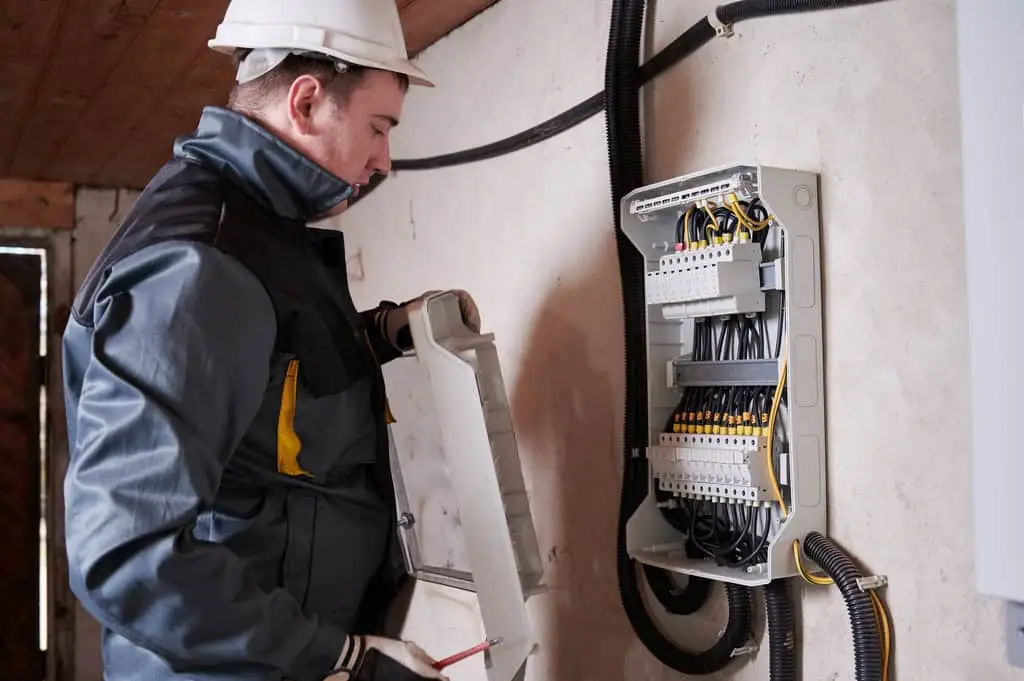
Understanding the NEC and Its Importance
The NEC, published by the National Fire Protection Association (NFPA), is a set of guidelines designed to ensure that electrical installations are performed safely and efficiently. It is the standard for electrical safety in both residential and commercial settings. The codes within the NEC are regularly updated to keep pace with advancements in technology and to address new safety concerns.
For electricians, understanding the NEC is essential, as it provides the foundation for electrical installations. As such, the NEC test is a reflection of your proficiency in these standards. Passing the NEC exam shows that you are not only capable of following these guidelines but also committed to ensuring the safety of every electrical installation you work on.
Key Topics Covered in the NEC Test
The NEC test covers a broad range of topics related to electrical systems. Some of the key areas you should focus on include:
Wiring and Protection: This section covers the rules for proper wiring methods, including sizing, protection, and grounding of circuits.
Safe Electrical Installations: Ensuring the safety of electrical installations, including grounding, circuit protection, and electrical panel installations, is critical.
Special Conditions: This includes specific codes for areas like damp or wet locations, hazardous environments, and other specialized situations.
Electrical Equipment and Systems: Knowledge of electrical systems, including distribution systems, transformers, and motor control circuits, is essential for the test.
Energy Efficiency: Understanding energy conservation codes and their application in residential and commercial buildings.
Code Updates: The NEC is updated regularly, and you need to be aware of the latest revisions and changes in the codebook.
Focusing on these core areas will provide you with the necessary knowledge to succeed in the exam. Each section is designed to test your understanding of safety practices and your ability to apply the code in real-world situations.
How to Prepare for the NEC Test
Preparing for the NEC test requires a structured approach and a solid study plan. Here are some key tips to help you succeed:
Familiarize Yourself with the NEC: The most crucial part of your study is understanding the National Electrical Code itself. You will need a current copy of the NEC to study, as the test will often reference specific code sections. Make sure to thoroughly review each section and understand the requirements.
Utilize Practice Tests: One of the best ways to prepare is to take practice tests. These tests mimic the actual exam format and allow you to identify areas of weakness. By practicing, you can become familiar with the types of questions you will encounter and improve your test-taking skills.
You can use resources like NEC code questions to find practice exams and more study materials.
Study with a Group: Study groups can be helpful in discussing tricky topics and learning from others’ experiences. Collaboration can lead to a better understanding of complex code sections.
Use a Study Guide: There are various study guides available for the NEC test. These guides break down the most important sections of the NEC and provide practice questions, summaries, and explanations to help reinforce your learning.
Focus on Key Topics: While the entire NEC is important, focus on areas that are frequently tested. In particular, make sure you are comfortable with wiring methods, grounding techniques, and safety measures.
Know How to Use the NEC: During the test, you will be allowed to reference the NEC. Being proficient at quickly locating information in the codebook will be critical, so practice using the index and looking up specific sections.

Useful Resources for NEC Test Preparation
To maximize your chances of success on the NEC test, it’s essential to utilize high-quality study materials and practice tests. A few valuable resources include:
Study Guides: NEC study guides provide in-depth explanations of the code, helping you break down complex topics into more manageable sections. These guides are available in bookstores, online retailers, and at educational institutions.
IEC Practice Test: For those working in international electrical systems, the IEC Practice Test provides useful practice questions based on the International Electrotechnical Commission standards, which are similar to the NEC in many respects.
NECA Test: The NECA Test offers a great way to prepare for professional certifications related to electrical contracting and installation. This resource covers NEC code requirements and other essential electrical topics.
Top Tips for Success on the NEC Test
To perform well on the NEC test, follow these top tips:
Start Early: Begin your preparation well in advance of the exam date. The more time you allow yourself to study, the more confident you’ll feel on test day.
Review the Most Important Topics: Focus on the sections of the NEC that are most likely to be tested. This includes wiring methods, grounding, and safety protocols.
Simulate Test Conditions: Take timed practice tests to get used to the exam format and time constraints. This will help you manage your time effectively during the actual exam.
Study Regularly: Dedicate time each day to study the NEC code and test your knowledge with practice questions. Regular study sessions will help reinforce your understanding and make the material more familiar.
Stay Calm on Test Day: On the day of the exam, remain calm and focused. Read each question carefully, and don’t rush through the test. Trust in your preparation and approach each question methodically.

Conclusion
The NEC test is a crucial step in becoming a certified electrical professional. It ensures that you have the knowledge to work safely and competently in the electrical field. By studying the NEC code thoroughly, taking practice tests, and focusing on key areas, you can significantly increase your chances of passing the test. Start your preparation today by using high-quality resources and take the next step toward your electrical career.