
The Water Safety Instructor (WSI) test is an essential step for those who want to teach swimming and water safety courses. As a WSI, you’ll be responsible for educating individuals of all ages in safe water practices, equipping them with life-saving skills that can make a significant difference in their lives. However, passing the WSI exam requires more than just swimming proficiency. This article will provide a detailed overview of what to expect from the WSI test, how to prepare for it, and tips on succeeding. If you’re looking to dive into a rewarding career as a Water Safety Instructor, this guide will help you through the preparation process.
What is the WSI Test?
The WSI test is a certification exam administered by organizations such as the American Red Cross, designed to assess your ability to teach swimming and water safety courses effectively. The test is a combination of written and practical assessments that evaluate your knowledge of water safety principles, teaching techniques, and ability to respond to aquatic emergencies. Successful completion of the WSI test certifies that you are qualified to teach water safety, swimming lessons, and life-saving techniques to individuals of varying ages and skill levels.
Why Take the WSI Test?
Becoming a certified Water Safety Instructor opens up a wide range of opportunities in the field of aquatic education. Not only does this certification allow you to teach at public pools, community centers, and recreational facilities, but it also enhances your credibility as an instructor. Additionally, the WSI test prepares you to handle emergencies in aquatic environments, a critical skill that can save lives.
The WSI Test Format
The WSI test consists of two main components: a written exam and a practical skills test.
Written Exam: The written portion of the test assesses your theoretical knowledge of water safety principles, CPR techniques, and aquatic emergencies. Expect multiple-choice questions covering topics such as:
Basic water safety rules
Swimming strokes and techniques
Emergency action plans
Teaching methods and strategies for swimming lessons
Water rescue techniques
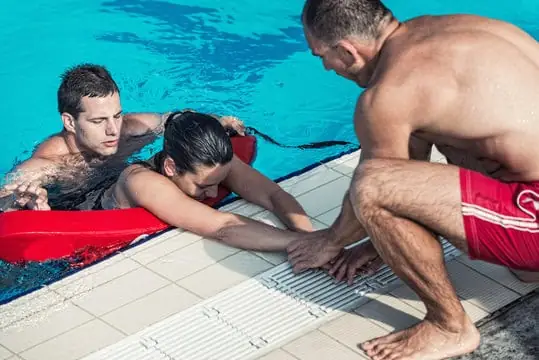
Practical Skills Test: The practical portion evaluates your ability to apply the skills and knowledge you’ve learned in a real-world setting. This includes demonstrating proficiency in various swimming strokes, performing water rescues, and teaching simulated swimming lessons. The practical test ensures that you can effectively communicate and teach water safety skills to others.

How to Prepare for the WSI Test
To succeed on the WSI exam, adequate preparation is key. Here are some tips to help you prepare effectively:
Review the Study Materials
Before taking the WSI test, make sure you review all relevant study materials. These materials typically cover aquatic safety, teaching techniques, and emergency procedures. Familiarize yourself with the content to build a strong foundation of knowledge that you can rely on during the exam.Take Practice Tests
One of the best ways to prepare for the WSI test is by taking practice tests. Practice tests simulate the types of questions you’ll encounter on the actual exam and help you identify areas where you may need additional study. A comprehensive WSI practice test can boost your confidence and enhance your exam-taking skills.
Start your preparation today with the free WSI test to gauge your readiness and pinpoint areas for improvement.Attend a Water Safety Instructor Course
If you’re unfamiliar with the water safety teaching methods or feel unsure about certain aspects of the exam, consider enrolling in an official Water Safety Instructor course. These courses are offered by organizations like the American Red Cross and are designed to provide hands-on experience and in-depth training on swimming and water safety education. Taking a course will give you access to valuable resources and experienced instructors who can guide you through the learning process.Practice Your Swimming Skills
The practical portion of the WSI test will require you to demonstrate your swimming ability and teaching skills. Make sure to practice swimming regularly to improve your strokes and endurance. Also, practice teaching swimming techniques to others in simulated environments to refine your communication and instruction skills.Understand the Exam Requirements
Before taking the test, be sure you meet all the prerequisites. For instance, most organizations require candidates to be at least 16 years old and have a current certification in CPR and First Aid. Review the specific requirements for the exam you’re taking to avoid any surprises on the day of the test.
Resources for WSI Test Preparation
Alongside official study guides and training courses, there are numerous online resources available to help you prepare for the WSI test. Some helpful links include:
American Lifeguard Association Certification: Gain additional certifications that may enhance your qualifications as a Water Safety Instructor.
Certified Lifeguard Instructor Test: If you’re interested in expanding your qualifications, consider pursuing the Certified Lifeguard Instructor certification.
Tips for Success on the WSI Test
Success on the WSI test requires a combination of knowledge, practice, and teaching skills. Here are some additional tips to help you succeed:
Stay Calm During the Practical Exam
The practical exam can be nerve-wracking, especially when you’re required to demonstrate your ability to teach and perform rescues in the water. To stay calm, practice your skills in advance, focus on the task at hand, and remember that you’re well-prepared for the test.Ask for Feedback
Before taking the exam, ask your instructors or peers for feedback on your teaching and swimming abilities. Constructive criticism will help you identify areas for improvement and ensure that you’re fully prepared for the test.Be Prepared to Demonstrate Emergency Response
One key component of the WSI exam is demonstrating your ability to respond to aquatic emergencies. Practice your CPR and rescue techniques to ensure you’re ready for any scenario that may arise during the practical test.

Conclusion
Becoming a certified Water Safety Instructor is a rewarding accomplishment that allows you to teach critical life-saving skills. By thoroughly preparing for the WSI test, you can increase your chances of passing the exam and achieving your certification. Remember to study the material, take practice tests, and refine your swimming and teaching techniques. With the right preparation, you’ll be well on your way to becoming a certified Water Safety Instructor.