
Medical Device Reprocessing is a crucial part of the healthcare system, ensuring that instruments and tools used in medical procedures are properly sterilized and free from contaminants. In Ontario, the Medical Device Reprocessing Association of Ontario (MDRAO) plays a vital role in setting standards and providing certification for professionals involved in the reprocessing of medical devices.
Obtaining MDRAO certification demonstrates your expertise and knowledge in medical device reprocessing and sterilization procedures. This certification is essential for anyone working in healthcare settings where medical equipment is reused, including hospitals, clinics, and other healthcare facilities. In this article, we will explore what the MDRAO certification entails, why it is important, and how you can prepare for the certification exam using resources.
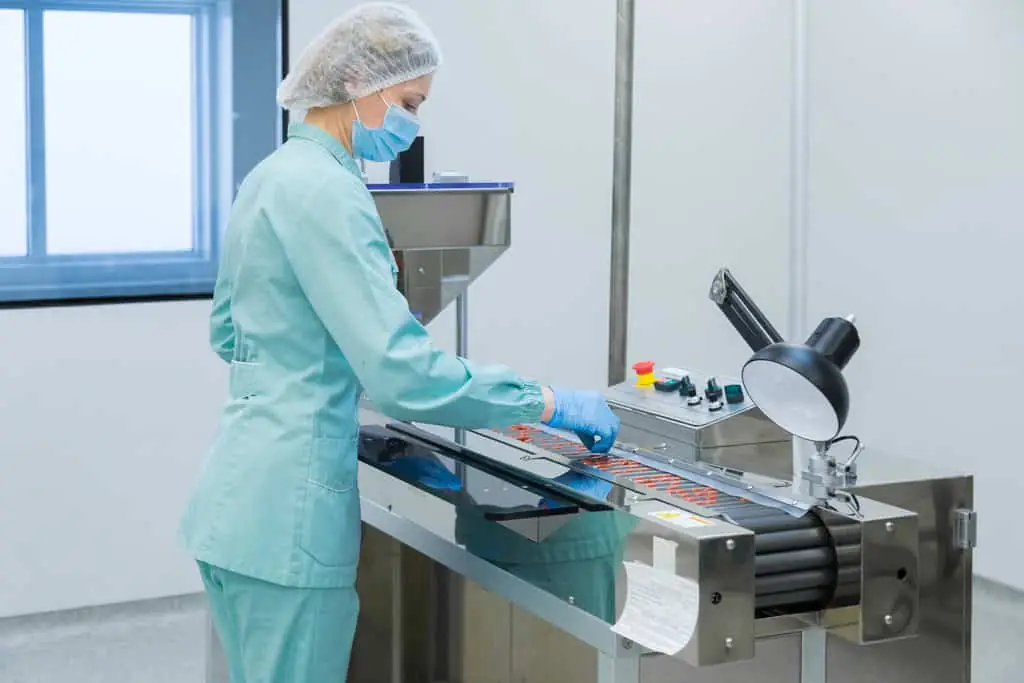
What is MDRAO Certification?
The Medical Device Reprocessing Association of Ontario (MDRAO) is a professional organization that sets standards for the reprocessing of medical devices. This includes ensuring that healthcare workers follow proper procedures for cleaning, sterilizing, and maintaining medical tools and instruments. The MDRAO certification program is designed for professionals who specialize in medical device reprocessing.
MDRAO certification validates a professional’s ability to understand and implement industry standards for sterilization, infection control, and device handling. Professionals who earn this certification are recognized for their expertise and ability to ensure the safe and effective use of medical devices in healthcare settings.
The MDRAO certification exam tests a candidate’s knowledge in several key areas, including:
Sterilization Techniques:
Understanding the processes and methods used to sterilize medical devices, including the proper handling of sterilizers and sterilization cycles.Infection Prevention and Control:
Knowledge of infection control practices, including the prevention of contamination during medical device reprocessing and the maintenance of a sterile environment.Regulations and Standards:
Familiarity with local, national, and international standards for medical device reprocessing, as well as regulations related to healthcare safety.Equipment Maintenance:
Knowledge of the care and maintenance of reprocessing equipment to ensure proper functioning and prevent errors during the sterilization process.
Why is MDRAO Certification Important?
Ensures Patient Safety:
The primary purpose of MDRAO certification is to ensure that healthcare professionals understand the importance of sterilization and infection control. Properly reprocessed medical devices are crucial for preventing infections and protecting patients from harm. The certification ensures that professionals in the field are equipped to follow best practices for safety and cleanliness.Professional Recognition:
Earning the MDRAO certification provides recognition from peers, employers, and regulatory bodies as an expert in the field of medical device reprocessing. It demonstrates a commitment to high standards and continuous professional development. As healthcare continues to prioritize patient safety, certified professionals are more likely to be trusted with critical responsibilities.Improved Career Opportunities:
MDRAO certification opens up more job opportunities within the healthcare industry, particularly in hospitals, clinics, and other healthcare institutions. Many employers require certification for roles involving medical device reprocessing, making it a key credential for career advancement in this specialized area.Regulatory Compliance:
Adherence to regulatory standards is crucial in healthcare, and MDRAO certification ensures that professionals are familiar with industry guidelines for medical device reprocessing. Certified professionals help their organizations stay compliant with local health regulations and international standards, reducing the risk of non-compliance and legal issues.Quality Assurance:
By adhering to MDRAO standards, certified professionals contribute to the overall quality of healthcare services. Proper reprocessing of medical devices reduces the risk of cross-contamination, ensuring that patients receive safe and effective care.
How to Prepare for the MDRAO Exam
Use the Practice Test:
A great way to prepare for the MDRAO exam is by using practice tests. The MDRAO practice test provides sample questions and answers that simulate the actual exam. This can help you familiarize yourself with the exam format, improve your time management skills, and assess your knowledge in key areas.Study Key Topics:
Review the core concepts that will be covered in the exam, such as sterilization techniques, infection control practices, and regulatory standards. Make sure you fully understand the guidelines for medical device reprocessing and the role of infection control in healthcare settings.Take Online Courses or Attend Workshops:
Many organizations offer online courses or workshops designed to prepare individuals for the MDRAO exam. These programs typically cover all the key topics in detail and provide practice questions to help you build your knowledge.Review Study Guides and Textbooks:
Invest in study guides and textbooks specifically written for MDRAO exam preparation. These resources provide detailed explanations of the concepts and practices you will need to know.

Who Should Take the MDRAO Certification Exam?
The MDRAO certification is designed for individuals working or aspiring to work in the field of medical device reprocessing. This includes professionals involved in sterilization, infection prevention, and equipment handling. Some of the key individuals who should take the MDRAO certification exam include:
Sterilization Technicians:
Technicians responsible for the cleaning, sterilizing, and maintaining medical equipment should pursue MDRAO certification to ensure they meet the necessary standards and regulations for their role.Infection Control Professionals:
Those who specialize in infection control and prevention in healthcare settings can benefit from MDRAO certification to enhance their understanding of reprocessing procedures and improve patient safety.Healthcare Assistants:
Healthcare assistants or aides who handle medical devices and equipment as part of their role should pursue certification to ensure they follow proper protocols for cleaning and reprocessing.Healthcare Facility Managers:
Managers overseeing medical device reprocessing teams and equipment can benefit from MDRAO certification to ensure their departments are meeting quality standards and complying with regulations.
How to Obtain the MDRAO Certification
Obtaining MDRAO certification involves a few steps. Here’s a general overview of the process:
Meet Eligibility Requirements:
To take the MDRAO certification exam, candidates must meet certain eligibility criteria. Typically, this includes having some experience in medical device reprocessing or a related field, such as infection control or sterilization.Submit an Application:
Candidates must submit an application to MDRAO, providing information about their work experience and qualifications. The application will also include the exam fee, which varies depending on the certification level.Take the MDRAO Certification Exam:
The exam consists of multiple-choice questions that test your knowledge in areas like sterilization techniques, infection control, and medical device maintenance. The exam is typically administered online or at designated test centers.Pass the Exam:
To become certified, candidates must achieve a passing score on the exam. The exam is designed to assess both theoretical knowledge and practical skills related to medical device reprocessing.Maintain Certification:
After obtaining MDRAO certification, professionals are required to complete continuing education to maintain their certification. This ensures that certified professionals stay current with industry standards and best practices.
Additional Resources for Certification and Career Development
If you’re looking to expand your knowledge or pursue other certifications, consider these additional resources:
CMDRT Test: The Certified Medical Device Reprocessing Technician exam is a complementary certification for those who specialize in reprocessing medical devices.
CER Test: The Certified Environmental Services exam focuses on the proper management of cleaning, sterilization, and infection control in healthcare settings.

Conclusion
Becoming a Certified Dietary Manager (CDM) through the MDRAO certification is a crucial step for professionals in the field of medical device reprocessing. It ensures that individuals have the necessary skills and knowledge to maintain high standards in the healthcare system, particularly when it comes to patient safety and infection control.
By preparing for the MDRAO exam using resources, you can improve your chances of passing the exam and advancing your career in medical device reprocessing. With the right training and certification, you can make a meaningful impact on healthcare quality and safety.