
The New York Police Department (NYPD) is one of the most recognized and respected law enforcement agencies in the world. With its vast responsibilities in keeping New York City safe, the NYPD offers an exciting and rewarding career for those dedicated to public service. However, becoming a member of the NYPD requires passing several rigorous tests, including the NYPD Exam, which assesses a candidate’s fitness for police work.
This article will guide you through the NYPD hiring process, explain the steps needed to prepare for the NYPD exam, and provide resources to help you succeed. Whether you’re just starting your law enforcement career or looking to advance, this guide will help you understand what it takes to join the NYPD.
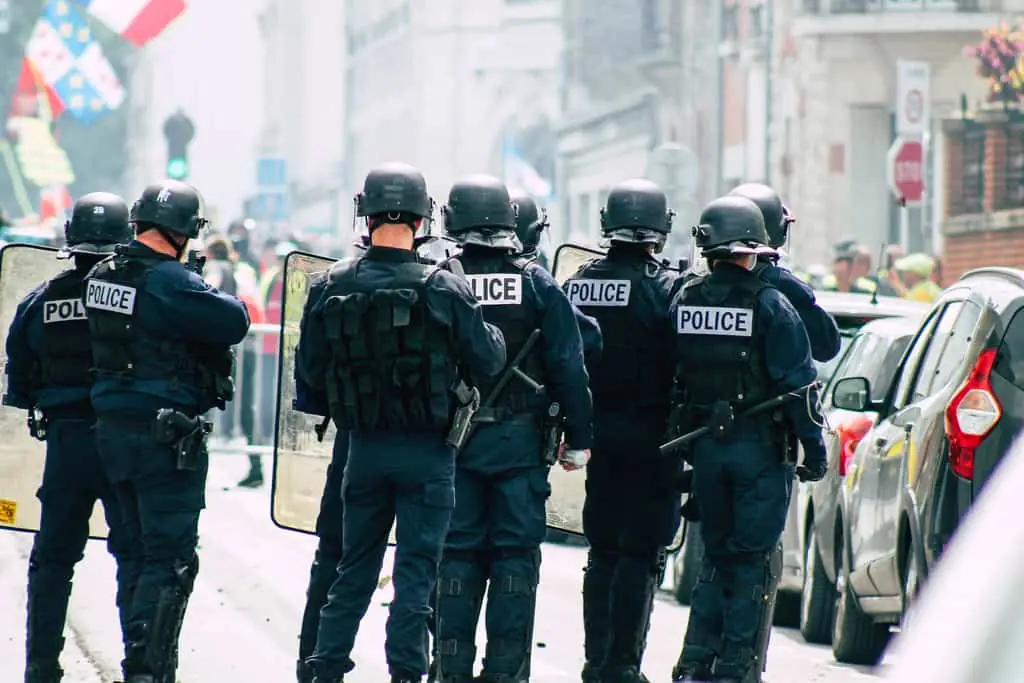
What is the NYPD Exam?
The NYPD exam is a competitive written exam that aspiring police officers must pass to become eligible for employment with the New York Police Department. The exam evaluates candidates’ reasoning abilities, judgment, and general knowledge—all of which are crucial for law enforcement duties.
The NYPD exam consists of multiple-choice questions and is designed to assess several areas of cognitive ability, including:
Logical reasoning and problem-solving: This section evaluates a candidate’s ability to assess situations and make decisions based on facts and circumstances.
Situational judgment: Candidates are tested on their ability to respond to various scenarios that a police officer might encounter.
Basic arithmetic and reading comprehension: This section ensures candidates can process information quickly and accurately, which is essential in police work.
In addition to the written test, candidates must pass physical fitness tests, medical exams, and a psychological evaluation.
How to Prepare for the NYPD Exam
Preparing for the NYPD exam requires focus, dedication, and the right resources. Here are some essential steps you can take to improve your chances of success:
1. Take Practice Tests
One of the most effective ways to prepare for the NYPD exam is to take practice tests. Practice tests simulate the real exam environment and help you get a feel for the types of questions you’ll encounter. They also allow you to gauge your strengths and weaknesses, so you can focus your study efforts where they’re needed most.
You can find nypd practice questions on various websites which offers specialized resources to help you prepare for the exam.
2. Study the Key Topics
Focus your study on the areas covered in the exam: reasoning, judgment, arithmetic, and reading comprehension. Reviewing study guides and textbooks that focus on these areas can help reinforce your knowledge. Consider joining a study group or using online resources for additional support.
3. Physical Fitness Preparation
The NYPD exam also includes a physical fitness test, so it’s important to maintain your physical health. To pass, you’ll need to demonstrate your ability to run, perform strength exercises, and meet other physical benchmarks. Regular exercise and training will help ensure you’re prepared for this part of the process.
4. Understand the Application Process
Along with passing the exam, there are other steps in the NYPD hiring process, including background checks, medical exams, and psychological evaluations. Be sure to understand the full application process, as it will help you plan accordingly.
Why is the NYPD Exam Important?
The NYPD exam serves as the first step in becoming a police officer with one of the largest and most influential law enforcement agencies in the United States. Here’s why it is so important:
Assessing Mental and Physical Readiness: The NYPD exam ensures that candidates have the intellectual and physical capabilities necessary to perform the duties of a police officer. Given the high demands of the job, it is essential that officers be able to make split-second decisions and respond to high-pressure situations.
Equal Opportunity: The NYPD exam helps ensure that all candidates are assessed based on the same criteria, providing a fair and equal opportunity for everyone interested in a career with the NYPD.
Gateway to a Rewarding Career: Passing the exam is a crucial step toward a rewarding and impactful career in law enforcement. Becoming a part of the NYPD allows individuals to serve and protect one of the most diverse and dynamic cities in the world.

NYPD Exam Structure
The NYPD exam consists of multiple-choice questions that cover several areas, including general reasoning, situational judgment, and basic math. Let’s break down the sections of the test:
1. General Knowledge and Reasoning
This section tests a candidate’s ability to understand and analyze information. Questions may focus on logical reasoning, pattern recognition, and decision-making. For example, candidates may be asked to determine the best course of action in various law enforcement scenarios.
2. Situational Judgment
Candidates will be presented with real-world scenarios and asked to choose the most appropriate response. For example, they might be asked how they would handle a situation where a suspect is resisting arrest or how they would communicate with witnesses during an investigation.
3. Basic Arithmetic
The math section evaluates a candidate’s ability to solve basic arithmetic problems. Police officers often need to process numbers and data quickly, and this section ensures they have the necessary math skills.
4. Reading Comprehension
This section tests a candidate’s ability to read and understand written material. Candidates will read a passage and then answer questions about its content. This skill is essential for officers, who need to accurately interpret reports, laws, and procedures.
NYPD Career Path and Opportunities
Becoming an NYPD officer is the first step toward a long and rewarding career in law enforcement. Once you’ve passed the NYPD exam and completed the required training, there are several career paths you can pursue:
1. Patrol Officer
Most new recruits start as patrol officers. In this role, you’ll patrol city neighborhoods, respond to emergencies, and enforce laws.
2. Specialized Units
As you gain experience, you may have the opportunity to join specialized units, such as the NYPD SWAT team, Traffic Enforcement, or the NYPD K-9 Unit. These roles provide an opportunity for more focused work in particular areas of law enforcement.
3. Detective
After serving as a patrol officer for a few years, you may choose to become a detective. Detectives are responsible for investigating serious crimes, gathering evidence, and solving cases.
4. Promotions and Leadership Roles
NYPD officers who excel in their duties may be promoted to supervisory or leadership positions, such as sergeant or lieutenant. With further experience and leadership skills, officers can rise through the ranks to become captains, chiefs, or even work in the NYPD Command Center.
Other Law Enforcement Career Options
For those who may not be interested in joining the NYPD specifically, there are other law enforcement opportunities to consider. For example:
New York State Police (NYSP): The NYSP test evaluates candidates for positions with the state police.
Chicago Police Department: For those interested in law enforcement outside of New York, the Chicago Police Department offers another pathway to a rewarding career in public service.

Conclusion
The NYPD exam is the gateway to a career in one of the most respected and challenging law enforcement agencies in the world. By preparing with practice questions and using the right study tools, you can improve your chances of success and begin a rewarding career serving the people of New York City.