
The National Pool Lifeguard Qualification (NPLQ) is the most recognized certification for lifeguards in the UK. It provides the essential skills and knowledge necessary to ensure safety in swimming pools, both in recreational and professional settings. Obtaining the NPLQ demonstrates competence in pool safety, rescue procedures, and first aid skills.
Whether you’re aiming to work in leisure centers, hotels, or public swimming pools, passing the NPLQ is a key step toward becoming a professional lifeguard. This guide will walk you through everything you need to know about the qualification process, training, and exam. Plus, we’ll explore useful resources that will help you prepare for the assessment.
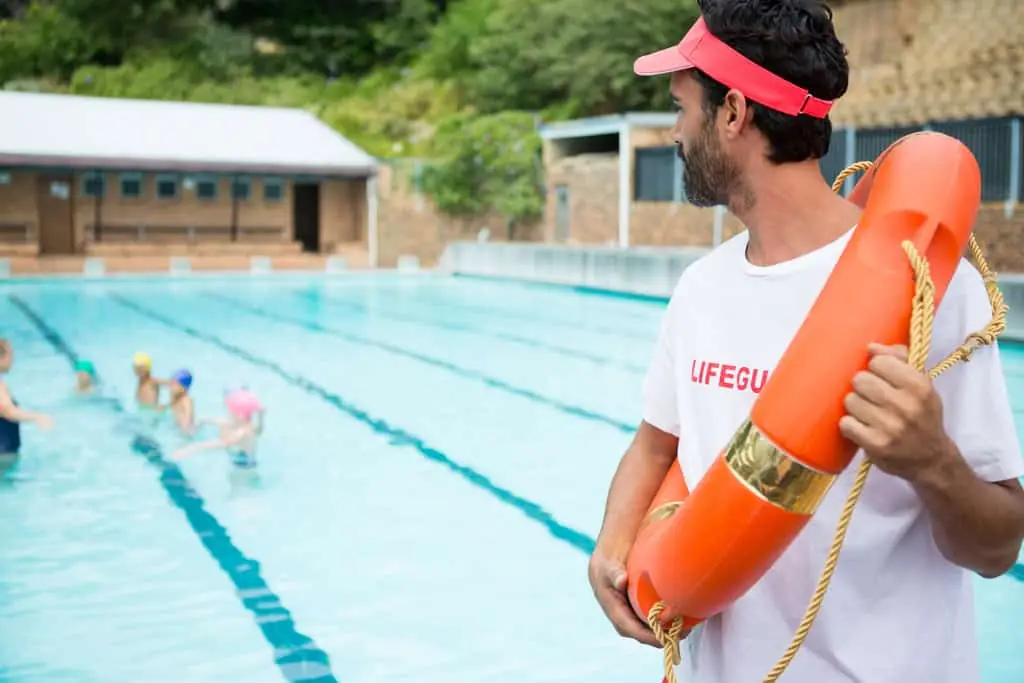
What Is the NPLQ?
The National Pool Lifeguard Qualification (NPLQ) is a certification awarded by the Royal Life Saving Society UK (RLSS UK). The NPLQ is recognized as the standard qualification for lifeguards working in pools across the UK. The course is designed to ensure that candidates have the skills necessary to respond effectively in emergencies, prevent accidents, and provide first aid.
The NPLQ covers several core areas:
Pool Safety: Recognizing hazards, understanding lifeguard duties, and maintaining vigilance.
Rescue Techniques: How to safely perform rescues in and around the pool.
First Aid & CPR: Administering first aid, using an automated external defibrillator (AED), and performing CPR.
Legislation & Risk Management: Knowledge of health and safety regulations and risk assessments.
How to Prepare for the NPLQ Exam
To successfully pass the NPLQ exam, thorough preparation is crucial. Here are some key steps to ensure you’re ready:
Attend an Accredited Training Course:
The NPLQ must be obtained through an accredited training provider. The course typically lasts for about 5 days and combines classroom learning with practical sessions in the pool.Use Practice Tests:
Taking a nplq mock test can help you familiarize yourself with the types of questions on the theoretical exam. It’s an excellent way to assess your knowledge and identify areas that need more focus.Study Pool Safety Protocols:
Make sure you fully understand your role as a lifeguard, including constant vigilance, prevention methods, and emergency protocols. You should also be well-versed in first aid procedures, CPR, and AED use.Practice Your Rescue Techniques:
The practical portion of the exam focuses heavily on rescue skills, so practicing these techniques in the pool regularly will improve your speed and efficiency during the exam.Understand Legal Responsibilities:
It’s essential to know the legal aspects of lifeguarding, such as health and safety regulations, risk assessments, and the appropriate actions to take in various emergency situations.
You can also explore helpful materials for other related certifications and practice tests, such as the Certified Pool & Spa Inspector Test or CPO Test.
Why Is the NPLQ Important?
The NPLQ is essential for ensuring that pools are safe environments for swimmers. Lifeguards with this qualification are trained to prevent accidents, provide immediate help in emergencies, and act as a key line of defense against water-related injuries. In addition to keeping the public safe, the NPLQ offers several other benefits:
Legally Required for Lifeguards: In the UK, anyone wishing to work as a lifeguard in a public or private pool must hold the NPLQ.
Career Opportunities: The qualification opens up career opportunities in a wide range of facilities, including public pools, hotels, gyms, and water parks.
Enhanced Skills: The NPLQ equips you with skills in water rescue, emergency response, first aid, and CPR, which are invaluable in any first-responder situation.

What Does the NPLQ Exam Include?
The NPLQ exam is divided into practical and theoretical components. To successfully pass, you must demonstrate competence in both areas:
Theoretical Exam:
This part of the exam includes multiple-choice questions covering pool safety, rescue procedures, first aid, and related legislation. The questions test your understanding of the rules, regulations, and practices that keep pools safe.Practical Exam:
The practical exam involves performing a range of lifeguarding tasks. You’ll need to demonstrate your ability to:Perform a safe and efficient rescue, both in and out of the water.
Administer CPR and first aid in simulated emergencies.
Respond to a range of lifeguard scenarios, including poolside accidents.
The practical exam is typically conducted in a live pool environment, where you’ll be assessed on your response time, techniques, and ability to remain calm under pressure.
What to Expect During NPLQ Training
The NPLQ training program is designed to prepare candidates for both the theoretical and practical aspects of lifeguarding. During the course, you’ll cover:
Pool Safety: Learn how to assess pool environments for risks and hazards.
Rescue Techniques: Practice rescue methods, including how to safely remove someone from the water and how to perform an emergency exit.
First Aid & CPR: Training on the proper techniques for administering first aid, CPR, and using AEDs.
Simulated Scenarios: Participate in role-playing scenarios to practice your responses in emergency situations.
By the end of the training, you’ll be able to demonstrate your knowledge through the NPLQ exam.
Career Opportunities with NPLQ
Once you have your NPLQ, the world of lifeguarding opens up with a variety of career opportunities:
Public and Private Pools: Lifeguards are needed in swimming pools at leisure centers, gyms, hotels, schools, and other public facilities.
Water Parks: Lifeguards play a critical role in water parks, ensuring safety on slides and attractions.
Cruise Ships: Many cruise lines require certified lifeguards to monitor swimming pools on board.
First Responder Roles: The skills learned in NPLQ training can be used in other emergency response roles, including in community services or public safety departments.

Conclusion
The National Pool Lifeguard Qualification (NPLQ) is essential for anyone wishing to work as a lifeguard in the UK. The qualification ensures you are equipped with the necessary skills and knowledge to keep pools safe and manage emergency situations effectively. By taking the right preparation steps, including using tools and focusing on hands-on practice, you’ll be well on your way to becoming a certified lifeguard.
Whether you’re looking to start your career or improve your lifeguarding skills, the NPLQ is a critical step toward success in the field. Good luck!