
The Surveyor Minimum Qualifications Test (SMQT) is an essential exam for anyone pursuing a career in land surveying. As the surveying industry continues to evolve, ensuring professionals meet a high standard of competency is critical for public safety, legal integrity, and the efficient development of infrastructure. The SMQT is a comprehensive test that assesses the knowledge and practical skills necessary for surveyors to perform their duties accurately and professionally.
Whether you are new to the field or looking to advance your career, passing the SMQT is a major milestone. In this article, we will provide a detailed breakdown of what the SMQT involves, its significance, and how to prepare for the test using effective resources.
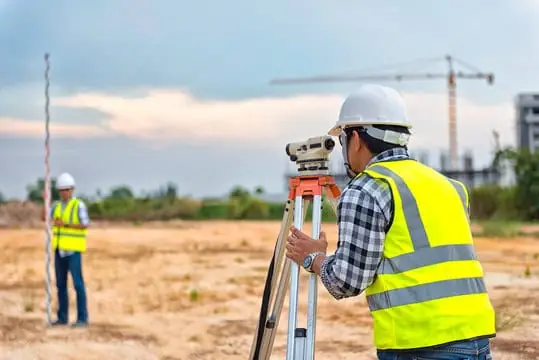
What Is the SMQT?
The Surveyor Minimum Qualifications Test (SMQT) is designed to evaluate the knowledge and abilities of prospective land surveyors. This qualification ensures that individuals possess the necessary skills to measure, map, and analyze land for various purposes, such as construction, property development, and legal purposes.
The test is typically required by professional organizations, licensing boards, or employers in many regions, with a focus on:
Legal and ethical standards
Measurement and data analysis
Use of surveying tools and technologies
Geodetic principles and applications
The SMQT ensures that surveyors can meet the technical and legal requirements of their profession, safeguarding the accuracy of land measurements that impact a wide array of sectors.
How to Prepare for the SMQT Exam
Preparing for the SMQT exam requires a strategic approach. Here’s how you can enhance your chances of success:
Study the Core Topics:
Make sure to study the core areas mentioned above. You may want to focus on topics where you feel less confident, such as geodesy or legal regulations.Use Practice Tests:
One of the most effective ways to prepare is by using practice tests. Engaging with SMQT test prep tools can help you familiarize yourself with the test structure, improve your time management, and identify areas where you need more practice.Enroll in a Prep Course:
Many institutions and online platforms offer prep courses specifically for the SMQT. These courses typically include in-depth lectures, workshops, and hands-on practice with surveying tools.Review Study Materials:
Invest in textbooks, guides, and online resources that cover surveying principles, legal requirements, and equipment. Familiarizing yourself with textbooks and guides will help cement your theoretical knowledge.Practice Your Field Skills:
Surveying is a practical profession, so it’s essential to hone your skills in the field. Take every opportunity to practice using surveying tools and technologies. This will help build your confidence during the practical sections of the exam.
Why Is the SMQT Important?
The SMQT serves as a certification that demonstrates a surveyor’s ability to perform critical tasks in land surveying. Obtaining this qualification is vital for:
Career Advancement: Many employers require the SMQT to ensure employees have a minimum level of competency.
Licensing: In some jurisdictions, passing the SMQT is a prerequisite for obtaining a professional land surveying license.
Legal and Ethical Compliance: The test ensures that surveyors are well-versed in the legalities and ethical practices associated with land surveying.
Professional Credibility: Holding the SMQT enhances your reputation within the surveying community and with clients.
Without this certification, you may find it difficult to compete in the job market or be eligible for certain types of work.

What Is Included in the SMQT Exam?
The SMQT is a rigorous exam that assesses a candidate’s knowledge in several core areas of land surveying. The test typically covers:
Surveying Principles and Practices
Measurement techniques (e.g., total stations, GPS)
Understanding different types of surveys (e.g., boundary, topographic, construction)
Surveying calculations (angles, distances, elevations)
Legal Aspects of Surveying
Property laws and regulations
Surveying in relation to land title, boundaries, and property disputes
Geodesy and Coordinate Systems
Coordinate reference systems (e.g., UTM, WGS84)
Geodetic positioning and datums
Earth curvature and projection systems
Surveying Equipment
Familiarity with tools such as theodolites, GPS units, and total stations
Maintenance and calibration of surveying equipment
Cartography and Mapping
Creating accurate and professional maps
Knowledge of map projections, scales, and symbols
The exam will typically consist of a mix of multiple-choice questions, practical scenarios, and problem-solving exercises that test your ability to apply your knowledge in real-world situations.
Helpful Resources for SMQT Preparation
There are many online resources and platforms available to assist in your preparation:
PS Test – Another excellent resource for surveying practice exams, which includes questions that may appear on professional surveying qualification exams.
RPLS Test – This platform helps you prepare for Registered Professional Land Surveyor exams, which share a similar structure to the SMQT.
Using these resources can help you track your progress, test your knowledge, and refine your exam strategy.
Legal and Ethical Responsibilities for Surveyors
As a land surveyor, you must adhere to a set of legal and ethical standards. The SMQT ensures you understand these obligations, which include:
Boundary Law:
Understanding property rights, easements, and legal land boundaries is crucial for preventing disputes. Surveyors often act as expert witnesses in legal cases involving land.Client Confidentiality:
You must maintain confidentiality regarding the property and plans of clients. Ethical practice ensures that you manage sensitive data responsibly.Accuracy and Integrity:
As a surveyor, your job is to provide accurate data and honest representations of land measurements. Mistakes or intentional falsification can result in legal consequences and damage your professional reputation.
Career Prospects with an SMQT
Passing the SMQT opens the door to numerous career opportunities in land surveying. As a certified surveyor, you can work in various sectors, including:
Construction: Working on building sites, road projects, and infrastructure development.
Real Estate: Providing surveying services to real estate agents and property developers.
Public Sector: Working for government agencies, mapping land for public works projects or environmental conservation efforts.
Consulting: Offering expertise to clients in land development, boundary disputes, and property sales.
According to the U.S. Bureau of Labor Statistics (BLS), the demand for land surveyors is projected to grow 2% over the next decade, as more infrastructure projects are undertaken globally.

Conclusion
The Surveyor Minimum Qualifications Test (SMQT) is a vital step for anyone aspiring to work as a professional land surveyor. With the right preparation, including engaging in effective practice tests, you can confidently approach the exam and take your career to the next level. By understanding the test content, focusing on your weaknesses, and practicing regularly, you’ll be well-equipped to pass the SMQT and embark on a successful career in land surveying.