
The Trauma Certified Registered Nurse (TCRN) test is an important certification exam for registered nurses who specialize in trauma care. As healthcare professionals working in emergency settings, trauma nurses are required to be prepared for any situation, as they are often the first line of defense in treating critically injured patients. Earning a TCRN certification demonstrates a nurse’s ability to provide high-level care in trauma settings, showcasing their knowledge and skills in emergency trauma nursing.
This article will provide an overview of the TCRN test, including what it entails, how to prepare for it, and the benefits of becoming a Trauma Certified Registered Nurse.
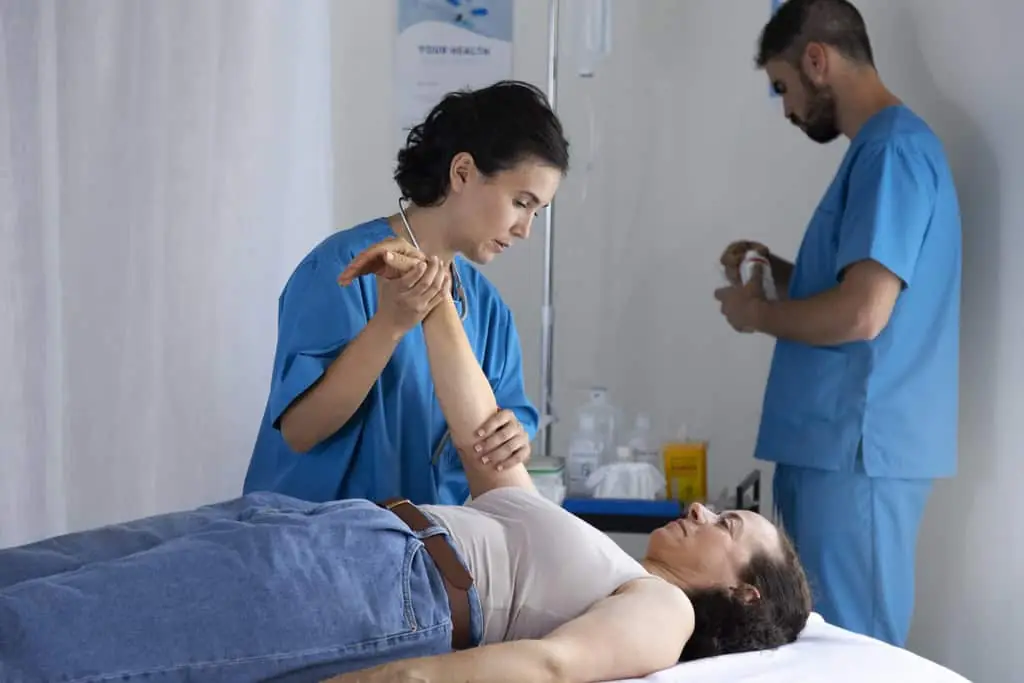
What is the TCRN Test?
The TCRN test is designed for registered nurses who have specialized in trauma care. It is offered by the Board of Certification for Emergency Nursing (BCEN) and is recognized as a mark of excellence in trauma nursing. To qualify for the test, candidates must meet certain eligibility criteria, including having at least two years of experience in trauma care or emergency nursing, as well as completing a minimum number of trauma-related patient care hours.
The exam is designed to assess a nurse’s knowledge in trauma care across multiple domains, such as trauma assessment, emergency management, and patient stabilization. The TCRN exam consists of 175 multiple-choice questions, covering a range of topics relevant to trauma nursing. To pass, candidates must achieve a minimum score based on the exam’s scoring system, which evaluates both knowledge and the ability to apply that knowledge in a real-world clinical setting.
TCRN Exam Breakdown
The TCRN exam is divided into several key areas of knowledge. Below is a breakdown of the core content areas that the exam covers:
Trauma Nursing Assessment: This section tests a nurse’s ability to quickly and accurately assess the severity of a patient’s injuries. Nurses must be able to prioritize life-threatening conditions and identify injuries that require immediate intervention.
Trauma Care Management: Nurses must be skilled in managing patients through the various phases of trauma care, including pre-hospital care, stabilization, and post-trauma care.
Emergency and Critical Care: Trauma nurses need to understand critical care concepts, including airway management, fluid resuscitation, and shock management. This section evaluates the nurse’s ability to handle severe trauma situations.
Trauma Interventions and Procedures: Nurses are tested on their knowledge of common trauma-related interventions such as wound care, splinting, and emergency surgeries.
Patient and Family Education: Trauma nurses need to effectively communicate with patients and families about injury prevention, trauma care procedures, and recovery plans. This section evaluates communication and education skills.
Trauma and Surgical Procedures: Nurses must understand the surgical procedures commonly required in trauma care, including emergency surgeries such as thoracotomy and laparotomy.
Ethical and Legal Considerations: Nurses must be able to handle the ethical and legal aspects of trauma care, such as informed consent, patient rights, and the scope of practice.
The TCRN test is designed to evaluate a nurse’s proficiency across all these domains and ensure they are prepared for the challenges of trauma nursing.
How to Prepare for the TCRN Test
Preparation for the TCRN exam requires both knowledge and practical experience in trauma nursing. Here are some steps you can take to ensure you’re ready:
Gain Experience in Trauma Care: As mentioned earlier, candidates are required to have two years of experience in trauma or emergency nursing. This hands-on experience is critical to developing the skills necessary for the exam.
Review the Test Content Outline: The BCEN provides a detailed test content outline that outlines the areas covered on the exam. Familiarize yourself with these topics and ensure you have a solid understanding of each one.
Take Practice Tests: One of the best ways to prepare is by using TCRN practice test. Practice tests help you familiarize yourself with the exam format and give you a sense of the types of questions that will be asked. They also allow you to assess your strengths and weaknesses, enabling you to focus your study efforts on areas where you need the most improvement.
Study with a Guide or Review Course: Many candidates choose to enroll in review courses or use study guides designed for the TCRN exam. These resources often provide comprehensive coverage of the material, including practice questions and tips for success.
Study in Groups: Joining a study group with other nurses who are preparing for the TCRN exam can provide support and allow you to share insights, study techniques, and resources.

Benefits of Becoming TCRN Certified
Earning the TCRN certification provides numerous benefits for both nurses and their patients. Here are some of the key advantages of obtaining this credential:
Professional Recognition: The TCRN certification is a recognized and respected credential in the nursing field. It demonstrates your expertise in trauma nursing and can make you a more competitive candidate in the job market.
Increased Career Opportunities: TCRN certification can open doors to more advanced career opportunities in trauma and emergency nursing. Many healthcare organizations prefer or require trauma nurses to be certified, and TCRN certification may be a prerequisite for certain leadership or management roles.
Higher Earning Potential: Nurses with specialized certifications often earn higher salaries than those without certification. By becoming TCRN certified, you may increase your earning potential and have more job security.
Enhanced Patient Care: By obtaining this certification, you demonstrate a commitment to providing high-quality care to trauma patients. It ensures that you are equipped with the knowledge and skills needed to handle complex trauma cases.
Personal Satisfaction: Achieving certification can be personally rewarding. It is an acknowledgment of your hard work and expertise in the trauma nursing field. It can also enhance your confidence in delivering patient care during traumatic events.
Helpful Resources for TCRN Exam Preparation
ATLS Practice Test Exam: Another valuable resource, especially for trauma nurses looking to deepen their knowledge of advanced trauma life support.
TNCC Practice Test: TNCC certification is often a requirement for nurses looking to work in trauma care units, and this practice test will further solidify your trauma knowledge.
By utilizing these resources and studying consistently, you will be well on your way to passing the TCRN exam and becoming a certified trauma nurse.

Conclusion
Becoming a Trauma Certified Registered Nurse (TCRN) is a significant achievement for any nurse working in trauma care. It demonstrates a high level of expertise and dedication to patient care in the emergency setting. To prepare for the exam, use comprehensive study resources such as practice tests to improve your knowledge and test-taking skills. Preparing for the TCRN test may be challenging, but with the right resources, dedication, and study plan, you can increase your chances of success and take your nursing career to the next level.